
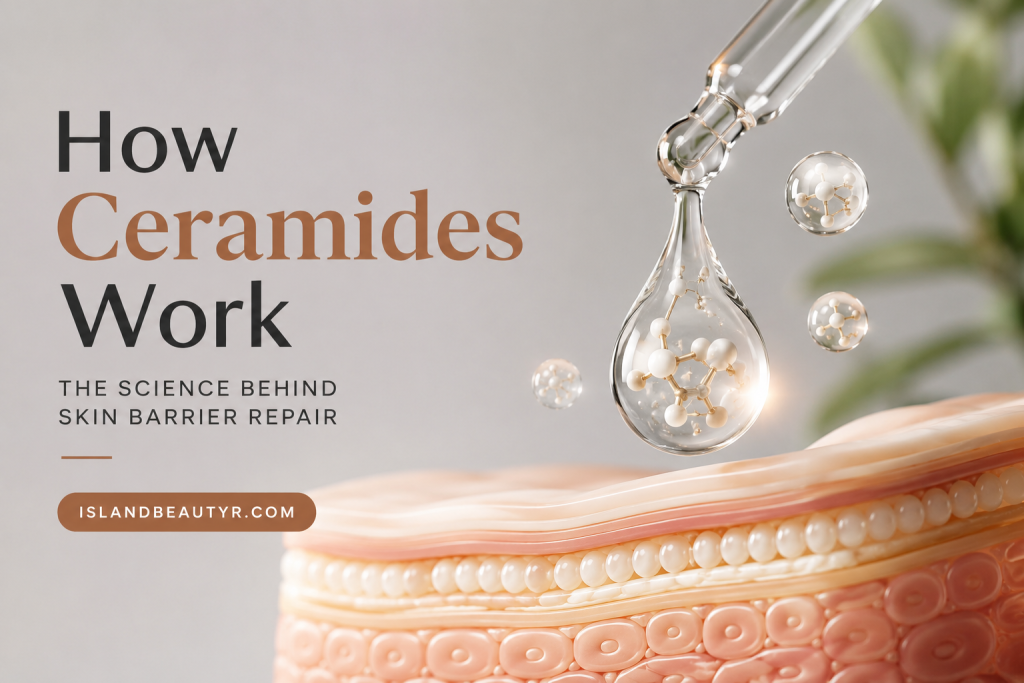
How Ceramides Work: The Science Behind Skin Barrier Repair
Healthy skin is not only about having enough moisture; it depends on having a strong and functional skin barrier. The outermost layer of the skin works as a protective shield that prevents excessive water loss while protecting the body from environmental stressors, pollutants, irritants, and microorganisms. One of the most important components responsible for maintaining this barrier is a group of natural lipids called ceramides.
Understanding How Ceramides Work has become one of the most important topics in modern dermatology and skincare science because these molecules play a critical role in repairing damaged skin, improving hydration, and restoring skin resilience. Unlike many skincare ingredients that only provide temporary surface-level benefits, ceramides work by rebuilding the lipid structure that keeps the skin barrier strong and healthy.
When the skin barrier becomes damaged due to excessive exfoliation, harsh cleansers, environmental changes, aging, or the use of powerful active ingredients such as retinoids, ceramide levels can decrease. This reduction weakens the connection between skin cells, allowing moisture to escape more easily and increasing sensitivity, dryness, redness, and irritation.
Modern research shows that restoring ceramides through topical skincare products can significantly improve barrier function. This is why ceramides are now considered one of the most valuable ingredients for people dealing with dry skin, sensitive skin, eczema-prone skin, and compromised skin barriers.
In this science-based guide, we will explain How Ceramides Work, why they are essential for skin barrier repair, how they compare with other moisturizing ingredients, and how to use them correctly for maximum results.
This is islandbeautyr.com, and I am Rasta Kafashan, the author of this website. I can help you better understand and become more aware of your skin, based on the most up-to-date scientific research. So, stay with us and follow islandbeautyr.com.
What Are Ceramides?
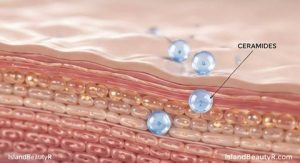
Ceramides are naturally occurring lipid molecules found in the outermost layer of the skin, known as the stratum corneum. They belong to a family of fats that help create the protective structure of the epidermis.
Approximately 50% of the lipids in the stratum corneum are composed of ceramides, making them one of the primary building blocks of a healthy skin barrier. These lipids work together with cholesterol and free fatty acids to create an organized structure that prevents water loss and protects the skin.
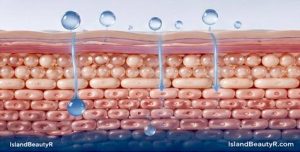
To understand How Ceramides Work, imagine the skin barrier as a brick wall. The skin cells are the bricks, while ceramides act like the mortar that fills the spaces between them. Without enough mortar, the wall becomes weak and develops gaps. Similarly, when ceramide levels decrease, the skin barrier becomes less effective at holding moisture and blocking irritants.
This unique mechanism explains why ceramides are not simply moisturizing ingredients. They are barrier-repair ingredients that help restore the skin’s natural defense system.
Why Are Ceramides Important for Skin Barrier Function?
The skin barrier performs several essential functions every day:
- Preventing excessive water evaporation
- Protecting against environmental damage
- Maintaining skin hydration
- Supporting a balanced microbiome
- Reducing irritation caused by external factors
A healthy barrier maintains the correct balance between water and lipids. When this balance is disrupted, the skin may become dehydrated, inflamed, and more reactive.
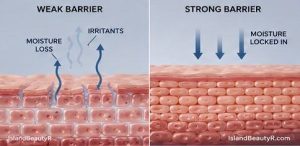
The importance of How Ceramides Work becomes clearer when looking at damaged skin. When ceramide levels are low, the spaces between skin cells become less organized. This increases transepidermal water loss (TEWL), which means water escapes from the skin surface more quickly.
Higher TEWL is associated with:
- Dryness
- Rough texture
- Increased sensitivity
- Flaking
- Tightness
- Reduced skin comfort
By replenishing lost ceramides, skincare products can help restore the lipid matrix and improve the overall performance of the skin barrier.
The Science Behind How Ceramides Work
The effectiveness of ceramides comes from their ability to mimic the natural lipids already present in healthy skin. When applied topically, ceramide-containing products can integrate into the outer layer of the epidermis and support barrier recovery.
The main mechanisms behind How Ceramides Work include:
1. Restoring the Lipid Barrier Structure
The most important function of ceramides is rebuilding the organized lipid layers between skin cells.
The stratum corneum contains multiple layers of lipids arranged in a highly structured pattern. This organization creates a selective barrier that allows necessary biological processes while preventing excessive moisture loss.
When ceramide levels decline, this structure becomes disrupted. Applying ceramide-based skincare helps restore the missing lipid components and improves barrier organization.
2. Reducing Transepidermal Water Loss (TEWL)
One of the most scientifically supported benefits of ceramides is their ability to reduce transepidermal water loss.
TEWL occurs when water naturally moves from deeper layers of the skin toward the surface and evaporates. Although this process is normal, excessive TEWL indicates a weakened barrier.
By strengthening the lipid structure, ceramides slow down unnecessary moisture evaporation and help maintain long-lasting hydration.
This explains why people using ceramide moisturizers often notice:
- Softer skin texture
- Reduced dryness
- Improved smoothness
- Less tightness after cleansing
3. Supporting Skin Recovery After Damage
The skin barrier is constantly exposed to factors that can cause damage, including UV radiation, pollution, temperature changes, and aggressive skincare routines.
When the barrier is disrupted, the skin requires specific lipids to rebuild itself. Ceramides provide essential components needed for this recovery process.
This is particularly important for people using:
- Retinol
- Chemical exfoliants
- Acne treatments
- Professional skin procedures
Using ceramide-rich products can improve tolerance to these treatments by supporting barrier strength.
Different Types of Ceramides in Skincare: Understanding Their Role
To fully understand How Ceramides Work, it is important to know that ceramides are not a single ingredient. Human skin contains several different types of ceramides, and each one contributes to maintaining the structure, hydration, and protective function of the skin barrier.
In skincare formulations, manufacturers use synthetic or bio-identical ceramides designed to closely resemble the natural lipids found in healthy skin. These ingredients help replace the ceramides that are lost due to aging, environmental stress, excessive cleansing, or the use of irritating skincare products.
The most common ceramides found in skincare products include:
Ceramide NP
Ceramide NP is one of the most widely used ceramides in modern skincare. It plays an important role in reinforcing the skin barrier, improving moisture retention, and reducing dryness.
Because of its ability to support the natural lipid structure of the epidermis, Ceramide NP is frequently included in moisturizers designed for dry, sensitive, and barrier-damaged skin.
Ceramide AP
Ceramide AP helps maintain skin flexibility and supports the organization of epidermal lipids. It is commonly used in barrier-repair products because it contributes to smoother and healthier-looking skin.
Ceramide EOP
Ceramide EOP is considered an essential component for maintaining the highly organized lipid structure of the stratum corneum. It helps improve the arrangement of lipids within the skin barrier, which is important for preventing excessive moisture loss.
Ceramide NS
Ceramide NS contributes to skin hydration and supports normal epidermal function. It is often combined with other ceramides to create a more complete barrier-supporting formula.
Using multiple types of ceramides in one product can provide better results because the natural skin barrier itself depends on a combination of different lipid molecules working together.
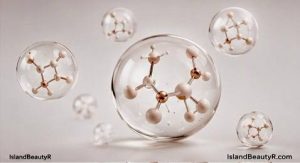
9 Science-Backed Benefits of Ceramides for Skin Barrier Repair
Understanding How Ceramides Work becomes easier when looking at their scientifically supported benefits. Research in dermatology has shown that ceramide-containing skincare products can improve barrier function, increase hydration, and support healthier skin.
1. Repair a Damaged Skin Barrier
The most recognized benefit of ceramides is their ability to repair a weakened skin barrier.
When the barrier becomes damaged, the lipid structure between skin cells becomes disrupted. This creates microscopic gaps that allow water to escape and irritants to enter.
Ceramides help restore this lipid matrix by filling these gaps and improving the organization of the outermost skin layer.
This is why ceramides are especially beneficial after:
- Over-exfoliation
- Retinoid use
- Chemical treatments
- Laser procedures
- Harsh cleansing routines
2. Improve Long-Lasting Skin Hydration
One of the key mechanisms behind How Ceramides Work is their ability to prevent moisture loss.
Many hydrating ingredients attract water to the skin, but ceramides perform a different function. They create a protective lipid barrier that helps keep water inside the skin.
This difference explains why ceramides are considered barrier-repair ingredients rather than simple moisturizers.
Healthy ceramide levels can help skin appear:
- Softer
- Smoother
- More flexible
- Less dehydrated
3. Reduce Transepidermal Water Loss (TEWL)
Transepidermal water loss (TEWL) refers to the movement of water from deeper skin layers through the epidermis and into the environment.
A damaged skin barrier increases TEWL, which often results in:
- Dryness
- Flaking
- Tightness
- Increased sensitivity
One of the most important aspects of How Ceramides Work is their ability to restore the lipid structure responsible for controlling water loss.
By improving barrier integrity, ceramides help maintain optimal hydration levels.
4. Calm Sensitive and Irritated Skin
Sensitive skin is often associated with an impaired barrier function. When the protective layer becomes weaker, external irritants can penetrate more easily and trigger inflammation.
Ceramides help strengthen the barrier, reducing the skin’s vulnerability to environmental triggers.
For people experiencing:
- Redness
- Burning sensations
- Tightness
- Increased reactions to skincare products
Ceramide-based moisturizers can provide significant support.
5. Support Healthy Skin Aging
Ceramide production naturally decreases as we age. This decline contributes to common signs of aging, including:
- Increased dryness
- Rough texture
- Reduced elasticity
- More visible fine lines
Although ceramides do not directly stimulate collagen production like some anti-aging ingredients, they create a healthier environment for the skin by maintaining barrier function.
A strong skin barrier allows the skin to better protect itself and maintain a smoother appearance over time.
6. Improve Tolerance to Active Skincare Ingredients
Powerful ingredients such as retinol, exfoliating acids, and vitamin C can provide impressive results, but they may also increase irritation when the skin barrier is weakened.
This is where understanding How Ceramides Work becomes especially valuable.
By strengthening the protective barrier, ceramides can help the skin tolerate active ingredients more comfortably.
Many dermatologists recommend combining active treatments with barrier-supporting moisturizers containing ceramides.
7. Protect Skin Against Environmental Damage
The skin is constantly exposed to external stressors, including:
- UV radiation
- Pollution
- Dry climate
- Temperature changes
- Oxidative stress
A strong barrier acts as the first line of defense against these challenges.
Ceramides support this protective function by maintaining the structure of the epidermis and reducing unnecessary moisture loss.
8. Improve Skin Texture and Smoothness
A damaged barrier often creates an uneven skin surface. Dry patches, roughness, and flaking are common signs that the skin is struggling to maintain balance.
By restoring essential lipids, ceramides help improve skin texture and create a smoother appearance.
With consistent use, many people notice:
- Softer skin
- Reduced roughness
- Improved comfort
- Better overall appearance
9. Support a Healthy Skin Microbiome
Recent dermatology research has highlighted the connection between the skin barrier and the microbiome.
The skin microbiome refers to the community of microorganisms that naturally live on the skin surface. A healthy barrier helps maintain a balanced environment where beneficial microorganisms can thrive.
Because ceramides improve barrier integrity, they may indirectly support a healthier skin ecosystem.
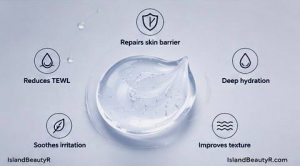
Ceramides vs Hyaluronic Acid: Which One Is Better?
A common skincare question is whether ceramides or hyaluronic acid are better for hydration and barrier repair.
The answer depends on their different functions.
Hyaluronic acid is a humectant, meaning it attracts and binds water. It is excellent for increasing hydration levels on the skin surface.
Ceramides, however, are barrier lipids. They help prevent water from escaping by strengthening the protective structure of the skin.
| Feature | Ceramides | Hyaluronic Acid |
|---|---|---|
| Main Function | Repairs the skin barrier | Attracts water |
| Reduces TEWL | Yes | Limited |
| Improves Hydration | Yes | Yes |
| Strengthens Lipid Barrier | Yes | No |
| Best For | Damaged or sensitive skin | Dehydrated skin |
For optimal results, these ingredients work extremely well together. Hyaluronic acid provides hydration, while ceramides help lock that moisture inside.
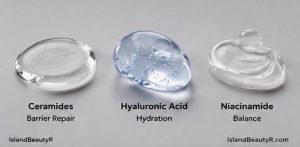
Ceramides vs Niacinamide: Which Ingredient Is Better for Skin Barrier Repair?
When comparing ingredients for improving skin health, many people wonder whether ceramides or niacinamide is the better choice. However, these ingredients work through different mechanisms and can actually complement each other.
Niacinamide, also known as vitamin B3, is a multifunctional skincare ingredient that supports the skin barrier by increasing natural moisturizing factors, reducing inflammation, regulating sebum production, and improving uneven skin tone.
Ceramides, on the other hand, are structural lipids that directly support the physical barrier of the skin.
Understanding How Ceramides Work helps explain why they are especially effective for repairing barrier damage. While niacinamide improves several biological processes inside the skin, ceramides replace essential lipids that are responsible for maintaining the protective layer.
Using both ingredients together can provide a more complete approach:
- Niacinamide supports skin function and reduces inflammation.
- Ceramides restore lipid organization and prevent moisture loss.
This combination is particularly beneficial for sensitive, acne-prone, and dehydrated skin.
Ceramides vs Retinol: Can They Be Used Together?
Retinol is one of the most researched anti-aging ingredients available. It increases skin cell turnover, improves collagen production, and helps reduce the appearance of fine lines.
However, retinol can sometimes cause:
- Dryness
- Peeling
- Redness
- Increased sensitivity
This happens because retinoids may temporarily affect the skin barrier during the adjustment period.
This is where How Ceramides Work becomes important. Ceramides help support barrier function and reduce the dryness associated with retinol use.
A balanced routine may include:
- Gentle cleanser
- Retinol product
- Ceramide moisturizer
Using ceramides alongside retinol does not reduce retinol effectiveness. Instead, it can improve comfort and long-term tolerance.
How to Choose the Best Ceramide Moisturizer
Not every product containing the word “ceramide” provides the same benefits. The quality of the formula, ingredient combination, and delivery system all influence effectiveness.
When choosing a ceramide moisturizer, look for:
Multiple Types of Ceramides
Products containing several ceramides, such as:
- Ceramide NP
- Ceramide AP
- Ceramide EOP
May better mimic the natural composition of the skin barrier.
Cholesterol and Fatty Acids
The skin barrier depends on a balanced combination of:
- Ceramides
- Cholesterol
- Free fatty acids
A moisturizer containing all three components may provide more comprehensive barrier support.
Humectants
Additional hydrating ingredients can improve results, including:
- Glycerin
- Hyaluronic acid
- Panthenol
These ingredients attract water while ceramides help prevent moisture loss.
Fragrance-Free Formulas
For sensitive or damaged skin, fragrance-free products are usually a better option because unnecessary fragrances may increase irritation.
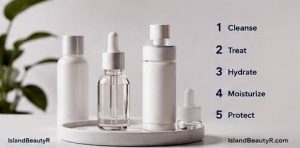
How to Use Ceramides in Your Skincare Routine
One of the advantages of ceramides is that they are suitable for almost every skin type and can be used daily.
A simple routine can help maximize the benefits of How Ceramides Work.
Morning Routine
A basic morning routine may include:
- Gentle cleanser
- Hydrating serum (optional)
- Ceramide moisturizer
- Broad-spectrum sunscreen
Sunscreen is essential because UV radiation can damage skin lipids and accelerate barrier dysfunction.
Evening Routine
An evening routine may include:
- Gentle cleanser
- Treatment product (retinol, niacinamide, or another active ingredient)
- Ceramide moisturizer
For severely dry or damaged skin, an additional occlusive product can be applied to reduce moisture evaporation.
Can Ceramides Help Acne-Prone Skin?
Many people with oily or acne-prone skin avoid moisturizers because they fear clogged pores. However, a weakened skin barrier can actually make acne-prone skin more irritated and reactive.
Understanding How Ceramides Work shows why barrier support is important even for oily skin.
A damaged barrier may increase:
- Sensitivity
- Inflammation
- Discomfort from acne treatments
Lightweight, non-comedogenic ceramide moisturizers can help maintain skin balance without feeling heavy.
Ceramides do not directly treat acne-causing bacteria, but they can improve the skin’s ability to tolerate acne medications and maintain healthier barrier function.
Can Ceramides Help with Eczema and Very Dry Skin?
Eczema and other dry skin conditions are often associated with impaired barrier function and reduced ceramide levels.
Research has shown that ceramide-containing moisturizers may help improve:
- Skin hydration
- Barrier recovery
- Dryness symptoms
- Skin comfort
However, people with moderate to severe eczema should continue following medical advice from a dermatologist because prescription treatments may be necessary.
How Long Does It Take for Ceramides to Repair the Skin Barrier?
The time needed for improvement depends on how damaged the skin barrier is and how consistently ceramide products are used.
Typical timelines include:
Mild Dryness
Some people notice improved softness and comfort within several days.
Moderate Barrier Damage
Visible improvements may take approximately 2 to 6 weeks with consistent use.
Severe Barrier Dysfunction
More significant damage may require several months of continuous barrier-supporting skincare.
The key factor is consistency. Understanding How Ceramides Work is important, but results depend on regular application and avoiding habits that continue damaging the barrier.
Common Mistakes When Using Ceramides
Even high-quality ceramide products may not work effectively if the skin barrier continues to be damaged.
Using Too Many Active Ingredients
Combining multiple exfoliating acids, retinol, and strong treatments at the same time can overwhelm the skin.
A simplified routine often allows ceramides to work more effectively.
Over-Cleansing
Frequent washing or using harsh cleansers can remove important skin lipids and delay barrier recovery.
Applying Products Incorrectly
Moisturizers generally work best when applied to slightly damp skin because this helps trap existing moisture.
Expecting Instant Results
Ceramides support biological repair processes, which require time. They are not an overnight solution but a long-term strategy for healthier skin.
The Future of Ceramide Research in Skincare
Research into How Ceramides Work continues to expand as scientists learn more about skin barrier biology.
Future developments include:
- More advanced ceramide delivery systems
- Personalized barrier-repair formulations
- Improved combinations of ceramides with microbiome-supporting ingredients
- Better understanding of lipid balance in different skin conditions
As skincare science becomes more focused on barrier health, ceramides are expected to remain one of the most important ingredients in dermatology and cosmetic science.
Frequently Asked Questions About How Ceramides Work
What are ceramides and why are they important for skin?
Ceramides are naturally occurring lipids found in the outer layer of the skin. They play an essential role in maintaining the skin barrier by keeping skin cells connected and preventing excessive moisture loss.
Understanding How Ceramides Work explains why these ingredients are considered fundamental for healthy skin. By restoring lost lipids, ceramides help improve hydration, strengthen the protective barrier, and reduce sensitivity caused by barrier damage.
How do ceramides work to repair a damaged skin barrier?
How Ceramides Work is based on their ability to restore the lipid structure between skin cells. When the skin barrier is damaged, gaps appear between cells, allowing water to escape and irritants to enter.
Ceramides help fill these gaps and rebuild the protective lipid layer. This improves barrier function, reduces transepidermal water loss (TEWL), and allows the skin to maintain better hydration.
How long does it take for ceramides to improve the skin barrier?
The results depend on the condition of the skin and the consistency of product use.
For mild dryness, improvements may appear within days. For a severely damaged skin barrier, several weeks or months may be required.
The science behind How Ceramides Work shows that these ingredients support gradual biological repair rather than providing only temporary surface hydration.
Can ceramides be used every day?
Yes. Ceramides are gentle and suitable for daily use. They can be applied in both morning and evening skincare routines.
Because How Ceramides Work involves restoring and maintaining the natural lipid structure of the skin, consistent daily application usually provides the best long-term results.
Are ceramides suitable for oily and acne-prone skin?
Yes. Ceramides can benefit oily and acne-prone skin, especially when the barrier has been weakened by acne treatments such as retinoids, benzoyl peroxide, or exfoliating acids.
A lightweight, non-comedogenic ceramide moisturizer can support barrier health without creating excessive heaviness.
Understanding How Ceramides Work helps explain why even oily skin requires proper barrier support.
Can ceramides be combined with retinol?
Yes. Ceramides and retinol work well together.
Retinol increases cell turnover and supports anti-aging benefits, but it may cause dryness during the adjustment period. Ceramides help reduce this discomfort by strengthening the skin barrier.
This combination is often recommended for people who want the benefits of retinol while maintaining healthy skin function.
Are ceramides better than hyaluronic acid?
Ceramides and hyaluronic acid have different roles.
Hyaluronic acid attracts water, while ceramides prevent water from escaping by repairing the lipid barrier.
The best approach is often combining both ingredients. Hyaluronic acid increases hydration, and understanding How Ceramides Work explains why ceramides help maintain that hydration over time.
Final Conclusion: Understanding How Ceramides Work
The skin barrier is one of the most important protective systems in the human body, and ceramides are among its most important structural components. Understanding How Ceramides Work reveals why these ingredients have become a cornerstone of modern dermatology and evidence-based skincare.
Unlike simple moisturizing ingredients that only improve surface hydration, ceramides help rebuild the lipid matrix responsible for maintaining barrier strength. They support moisture retention, reduce transepidermal water loss, protect against environmental stress, and improve the overall condition of the skin.
Whether your skin is dry, sensitive, aging, acne-prone, or recovering from active skincare treatments, ceramides can provide valuable support. By restoring essential lipids, they help the skin become more balanced, comfortable, and resilient.
The most effective ceramide products usually combine multiple ceramide types with complementary ingredients such as cholesterol, fatty acids, niacinamide, and humectants. When used consistently as part of a gentle skincare routine, ceramides can significantly improve the appearance and function of the skin barrier. The Skin Microbiome and Skin Barrier Explained: 11 Powerful Science-Backed Secrets for Healthier Skin
The science behind How Ceramides Work continues to evolve, but current dermatological research strongly supports their role as one of the most effective ingredients for maintaining healthy skin.