
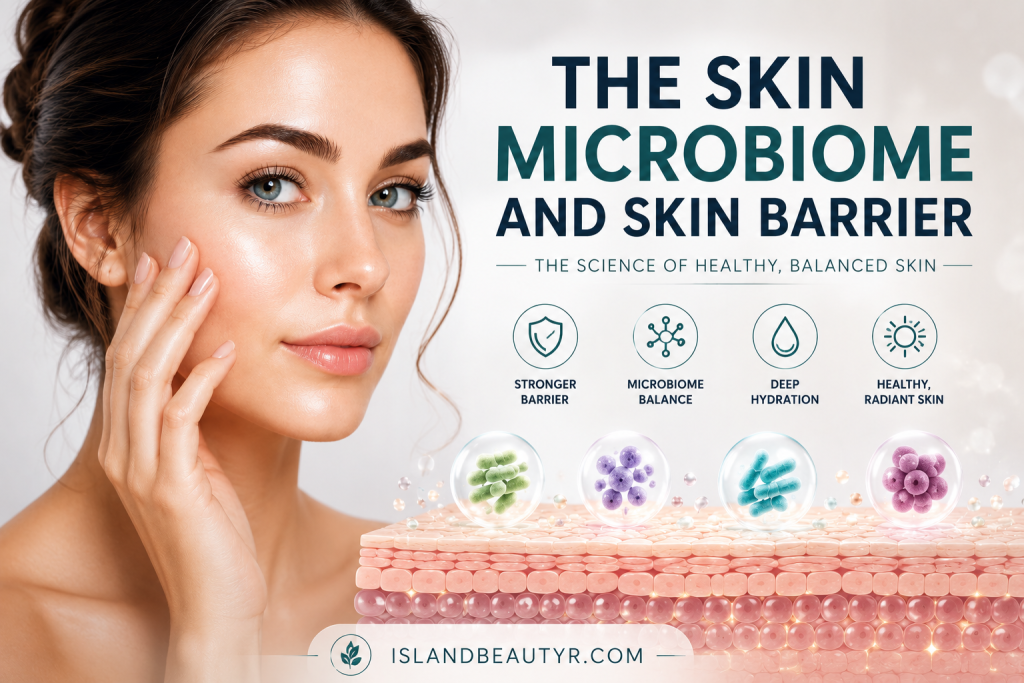
The Ultimate Skin Microbiome and Skin Barrier Guide: 11 Proven Secrets for Stronger, Healthier Skin
Your Skin Isn’t Just Skin—It’s an Entire Living Ecosystem
What if the biggest secret to healthier skin wasn’t hidden inside an expensive serum but already living on your face?
For decades, skincare focused almost entirely on repairing the skin barrier—the outer protective layer that keeps moisture in and irritants out. More recently, scientists have uncovered another essential player: the skin microbiome, a diverse community of beneficial microorganisms that quietly supports your skin every day.
Today, dermatology recognizes that the Skin Microbiome and Skin Barrier function as a single interconnected defense system rather than two separate structures. When this partnership is healthy, your skin is better equipped to retain moisture, resist irritation, heal efficiently, and defend itself against harmful microbes. When either side becomes compromised, the other often follows, creating a cycle that can contribute to dryness, acne, eczema, rosacea, and increased sensitivity.
Understanding the Skin Microbiome and Skin Barrier isn’t just useful if you have a skin condition. It can help anyone build a smarter skincare routine, avoid common mistakes, and choose products that support long-term skin health instead of providing only temporary results.
In this guide, you’ll learn the latest science behind this powerful partnership, discover what damages it, and explore evidence-based strategies to restore and protect both your microbiome and your skin barrier.
This is islandbeautyr.com, and I am Rasta Kafashan, the author of this website. I can help you better understand and become more aware of your skin, based on the most up-to-date scientific research. So, stay with us and follow islandbeautyr.com.
What Is the Skin Microbiome?
Imagine your skin as a bustling city. Instead of being empty, every square centimeter is home to millions of microscopic residents working around the clock.
This living community is known as the skin microbiome.
The skin microbiome consists of bacteria, fungi, viruses, and microscopic mites that naturally inhabit the skin. While the idea of microbes may sound alarming, the vast majority are either harmless or beneficial. They help maintain balance, educate the immune system, and compete with harmful organisms that could otherwise trigger infections or inflammation.
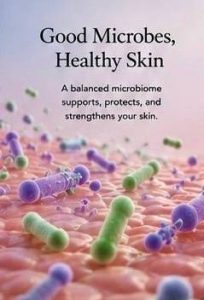
Scientists estimate that the human body hosts trillions of microorganisms, with the skin alone supporting hundreds of different microbial species. The exact composition of this ecosystem varies depending on the body site, age, genetics, climate, lifestyle, and skincare habits.
Healthy skin is not sterile—it is biologically diverse.
Meet Your Skin’s Microscopic Allies
Several microorganisms play especially important roles in maintaining healthy skin.
Staphylococcus epidermidis
Often referred to as one of the skin’s “good bacteria,” Staphylococcus epidermidis helps inhibit harmful microbes, supports immune regulation, and contributes to a balanced skin environment.
Cutibacterium acnes
Despite its reputation, Cutibacterium acnes is not inherently harmful. Under normal conditions, it helps maintain the skin’s acidic pH and supports microbial balance. Acne often develops when this bacterium overgrows or specific strains become dominant—not simply because it is present.
Malassezia
This naturally occurring yeast is part of a healthy skin microbiome. However, excessive growth may contribute to dandruff, seborrheic dermatitis, or irritation in susceptible individuals.
The key message is simple: skin health depends on balance, not the elimination of microbes.
What Is the Skin Barrier?
If the microbiome represents your skin’s living community, the skin barrier is the protective fortress that keeps everything functioning smoothly.
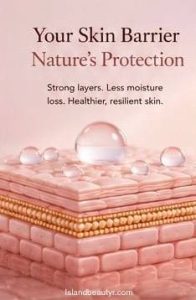
The skin barrier is the outermost portion of the epidermis, known as the stratum corneum. Dermatologists often describe it using the classic “brick-and-mortar” model.
In this structure:
- Corneocytes (dead skin cells) act as the bricks.
- Ceramides, cholesterol, and free fatty acids form the mortar that seals the gaps between those bricks.
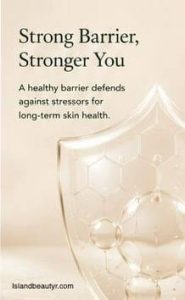
This highly organized structure creates a semi-permeable shield that performs several essential functions simultaneously.
A healthy skin barrier:
- Prevents excessive water loss
- Keeps allergens and pollutants out
- Protects against harmful microorganisms
- Reduces irritation from environmental stressors
- Supports proper wound healing
- Maintains skin softness and elasticity
Without this barrier, skin rapidly loses hydration through transepidermal water loss (TEWL) and becomes more vulnerable to inflammation and infection.
Why the Skin Barrier Is More Than Just a Physical Shield
Many people think of the skin barrier as little more than a protective wall. In reality, it is a highly active biological system.
Healthy barrier cells continuously communicate with immune cells, regulate inflammation, and respond to environmental changes. They also produce signaling molecules that influence how microorganisms behave on the skin’s surface.
In other words, the barrier isn’t passive—it is constantly interacting with the microbiome.
This is one reason why repairing barrier damage involves more than simply applying a moisturizer. Effective repair requires restoring the skin’s lipid composition, hydration levels, pH balance, and microbial diversity together.
The Skin Microbiome and Skin Barrier: One Team, One Mission
One of the biggest misconceptions in skincare is treating the microbiome and the skin barrier as unrelated topics.
Modern research paints a very different picture.
The Skin Microbiome and Skin Barrier are deeply interconnected. Each relies on the other to maintain healthy skin, and damage to one often disrupts the other.
Here’s how this partnership works:
A healthy barrier provides an ideal environment—stable moisture, protective lipids, and a slightly acidic pH—that allows beneficial microbes to thrive.
In return, beneficial microbes produce compounds that strengthen the barrier, regulate inflammation, and help prevent harmful organisms from taking over.
Rather than acting independently, they form a continuous feedback loop that supports skin resilience.
Think of it this way:
- The skin barrier builds the house.
- The microbiome protects the house from unwanted intruders.
- The immune system manages security inside the house.
When all three systems work together, the skin remains calm, hydrated, and resilient.
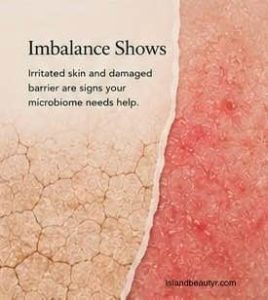
The Science Behind Their Partnership
Research over the past decade has transformed our understanding of skin biology.
Scientists now know that beneficial microorganisms communicate directly with skin cells using chemical signals. These signals influence inflammation, immune responses, and even the production of structural lipids that reinforce the barrier.
Some beneficial bacteria also produce antimicrobial peptides—natural substances that suppress harmful microbes without disrupting the healthy microbial community.
At the same time, the skin barrier supplies nutrients and maintains the acidic environment these microorganisms need to survive.
This mutual relationship explains why experts increasingly view the Skin Microbiome and Skin Barrier as a single functional unit rather than two separate systems.
Why pH Matters More Than You Think
Healthy skin naturally maintains a slightly acidic surface, typically around a pH of 4.5 to 5.5.
This “acid mantle” plays a crucial role in supporting both the microbiome and the barrier.
An acidic environment:
- Encourages beneficial microorganisms to flourish
- Discourages harmful bacterial overgrowth
- Optimizes enzymes responsible for barrier repair
- Helps preserve ceramides and other essential lipids
- Reduces the risk of inflammation
Frequent use of harsh soaps or overly alkaline cleansers can temporarily disrupt this balance, making it more difficult for the microbiome and barrier to function optimally.
Why This Matters for Everyday Skincare
Many people spend hundreds of dollars on serums and creams without realizing that even the most advanced ingredients perform poorly when applied to an unhealthy skin ecosystem.
If your microbiome is imbalanced or your barrier is compromised, active ingredients such as retinol, vitamin C, exfoliating acids, or peptides are more likely to irritate than deliver their full benefits.
Supporting the Skin Microbiome and Skin Barrier first creates a healthier foundation, allowing the rest of your skincare routine to work more effectively.
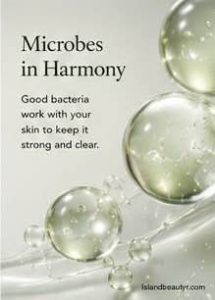
7 Hidden Causes That Damage the Skin Microbiome and Skin Barrier
A healthy skin ecosystem depends on balance. Even if you use expensive skincare products, certain daily habits can silently weaken the Skin Microbiome and Skin Barrier over time.
Many people focus only on adding more products to their routine, but protecting skin health often starts with removing the factors that damage it.
When the skin microbiome becomes disrupted, or the barrier becomes weakened, the skin may lose its ability to defend itself properly. This can lead to increased sensitivity, dryness, inflammation, acne flare-ups, and slower recovery.
Here are the most common factors that can damage this important relationship.
1. Over-Cleansing and Using Harsh Cleansers
One of the biggest mistakes in modern skincare is the belief that skin needs to feel extremely clean to be healthy.
A tight, squeaky-clean feeling after washing is often a sign that natural oils and protective components have been removed.
Harsh cleansers may reduce:
- Natural moisturizing factors
- Protective skin lipids
- Beneficial microorganisms
- Surface hydration
When these protective elements decrease, the skin barrier becomes weaker and the environment of the microbiome changes.
A disrupted skin microbiome may allow certain harmful microorganisms to grow more easily, increasing the possibility of:
- Redness
- Irritation
- Increased sensitivity
- Breakouts
- Dry patches
How to Protect Your Skin
A better approach is choosing gentle, fragrance-free, pH-balanced cleansers that remove dirt and sunscreen without destroying the natural ecosystem of your skin.
The goal of cleansing is not to remove everything from your skin—it is to maintain balance.
2. Excessive Exfoliation and Too Many Active Ingredients
Exfoliation can be beneficial when used correctly. Chemical exfoliants such as:
- Salicylic acid
- Glycolic acid
- Lactic acid
can improve texture, reduce clogged pores, and promote smoother skin.
However, excessive exfoliation may damage the relationship between the Skin Microbiome and Skin Barrier.
Using too many active ingredients together can increase stress on the skin and interfere with barrier recovery.
Common signs of over-exfoliation include:
- Burning after applying skincare products
- Increased redness
- Flaky skin
- Sudden sensitivity
- More frequent breakouts
A damaged barrier may also make beneficial skincare ingredients less effective because the skin cannot properly maintain hydration.
Better Exfoliation Strategy
To maintain balance:
- Avoid using multiple strong acids at the same time
- Introduce active ingredients gradually
- Include recovery days in your routine
- Always combine exfoliation with barrier-supporting moisturizers
Healthy skin is not created by constantly removing layers. It is created by maintaining a strong and balanced ecosystem.
3. Unnecessary Antibiotic Use and Microbial Changes
Antibiotics play an important role in treating bacterial infections, but they can also influence microbial communities.
Because antibiotics target bacteria, they may affect both harmful and beneficial microorganisms.
Changes in microbial diversity can influence:
- Skin immune responses
- Inflammation levels
- Microbial balance
- Barrier recovery
This does not mean antibiotics should be avoided when medically necessary. Instead, it highlights why maintaining supportive skincare habits afterward is important.
During periods when the microbiome may be disturbed, focusing on:
- Gentle cleansing
- Barrier repair
- Hydration
- Avoiding unnecessary irritants
can help restore balance.
4. Chronic Stress and Hormonal Imbalance
Your skin is closely connected to your nervous system.
Long-term stress increases cortisol levels, which can influence inflammation, oil production, and immune function.
Chronic stress may contribute to:
- Increased acne severity
- Slower healing
- More reactive skin
- Increased inflammation
- Changes in microbial balance
Scientists describe this connection as the skin-brain axis.
This explains why emotional stress can sometimes appear physically through skin changes.
Supporting Skin During Stress
Healthy lifestyle habits can support the Skin Microbiome and Skin Barrier, including:
- Consistent sleep schedule
- Regular physical activity
- Stress management
- Balanced nutrition
- Avoiding unnecessary skincare experimentation during stressful periods
5. Pollution and Environmental Stressors
Your skin is constantly exposed to external challenges.
Air pollution contains particles that can create oxidative stress and increase inflammatory responses in the skin.
Environmental pollutants may contribute to:
- Premature skin aging
- Increased sensitivity
- Barrier disruption
- Changes in microbial diversity
Another major environmental factor is ultraviolet radiation.
Excessive UV exposure can:
- Damage skin cells
- Increase oxidative stress
- Reduce barrier efficiency
- Trigger inflammatory pathways
Daily sunscreen use remains one of the most effective ways to protect the skin barrier and maintain long-term skin health.
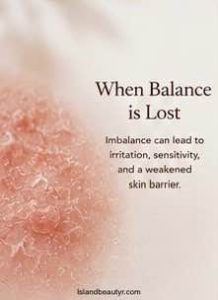
6. Poor Nutrition and Lack of Essential Skin Nutrients
Healthy skin requires support from inside the body.
The skin needs important nutrients to maintain barrier structure and microbial balance.
Key nutrients include:
Omega-3 Fatty Acids
Omega-3 fatty acids help regulate inflammatory processes and support healthy skin function.
Sources include:
- Fatty fish
- Chia seeds
- Flaxseeds
- Walnuts
Antioxidants
Antioxidants help protect skin cells from oxidative stress caused by pollution and UV exposure.
Examples include:
- Vitamin C
- Vitamin E
- Polyphenols from fruits and vegetables
Protein
Skin structure depends on proteins such as collagen and keratin.
Insufficient protein intake may affect skin repair processes.
A balanced diet does not replace skincare, but it creates a stronger foundation for maintaining the Skin Microbiome and Skin Barrier.
7. Overcomplicated Skincare Routines
More products do not always mean better results.
Many people damage their skin by constantly changing products or combining too many active ingredients.
A complicated routine can increase exposure to:
- Fragrances
- Preservatives
- Irritating ingredients
- Strong actives
This may disturb microbial balance and weaken barrier function.
A healthy routine usually focuses on four essential steps:
1. Gentle cleansing
Removes impurities while respecting the microbiome.
2. Barrier-supporting moisturizer
Provides ingredients such as:
- Ceramides
- Fatty acids
- Cholesterol
- Panthenol
3. Targeted treatments
Uses active ingredients only when needed.
4. Daily sun protection
Protects against UV-related damage.
Sometimes the best skincare improvement is simplifying your routine.
Signs Your Skin Microbiome May Be Unbalanced
A damaged skin microbiome does not always appear immediately. Changes often develop slowly.
Common signs include:
Increased Sensitivity
If products that previously worked well suddenly cause:
- Burning
- Stinging
- Redness
Your skin ecosystem may be under stress.
Persistent Dryness
If your skin feels dry even after applying moisturizer, your barrier may not be effectively preventing water loss.
This is often related to increased transepidermal water loss (TEWL).
Frequent Breakouts
Bacteria do not simply cause acne.
It involves multiple factors, including:
- Sebum production
- Inflammation
- Hormonal signals
- Microbial imbalance
- Barrier dysfunction
Supporting the skin microbiome may help create a healthier environment for acne-prone skin.
Redness and Inflammation
When communication between skin cells, immune responses, and microorganisms becomes disrupted, inflammatory reactions may increase.
This can contribute to:
- Sensitive skin
- Rosacea-prone skin
- Eczema symptoms
- Irritation
How to Restore the Skin Microbiome and Skin Barrier Naturally
Repairing damaged skin requires patience.
The goal is not to eliminate microorganisms but to restore a healthy balance.
The most effective strategy focuses on:
- Supporting barrier lipids
- Maintaining hydration
- Protecting microbial diversity
- Reducing unnecessary irritation
Barrier-Supporting Ingredients That Help
Ceramides
Ceramides are essential lipids naturally found in healthy skin.
They help:
- Reduce moisture loss
- Restore barrier structure
- Improve skin resilience
Ceramide-based moisturizers are among the most studied ingredients for damaged skin barrier repair.
Niacinamide
Niacinamide (Vitamin B3) is a multifunctional ingredient that supports both barrier health and overall skin appearance.
Benefits include:
- Supporting ceramide production
- Reducing redness
- Improving hydration
- Helping regulate excess oil
Panthenol
Panthenol is known for its soothing and moisturizing properties.
It can help:
- Calm irritation
- Improve hydration
- Support skin recovery
Colloidal Oatmeal
Colloidal oatmeal contains compounds that help soothe irritated skin.
It may:
- Reduce discomfort
- Support moisture retention
- Calm inflammation
Skin Microbiome Myths vs Facts: What Science Really Says
As interest in the Skin Microbiome and Skin Barrier continues to grow, many skincare myths have appeared online. Understanding what is scientifically accurate can help you make better decisions for your skin.
Myth 1: A Healthy Skin Microbiome Means Having No Bacteria
Fact:
Healthy skin is not bacteria-free.
In reality, balanced skin contains millions of microorganisms that support protection, immunity, and barrier function.
The goal of skincare is not to eliminate all bacteria but to maintain a diverse and stable microbial environment.
Removing all microorganisms may actually weaken the skin’s natural defense system.
Myth 2: More Skincare Products Create Healthier Skin
Fact:
A complicated skincare routine does not always lead to better results.
Using too many products can increase the chance of:
- Irritation
- Barrier damage
- Ingredient conflicts
- Microbial imbalance
A simple routine focused on cleansing, moisturizing, and sun protection is often more beneficial for maintaining the Skin Microbiome and Skin Barrier.
Myth 3: Acne Happens Because Your Skin Is Dirty
Fact:
Acne is a complex inflammatory skin condition.
Although microorganisms such as Cutibacterium acnes are involved, acne is influenced by multiple factors:
- Hormones
- Sebum production
- Inflammation
- Genetics
- Skin barrier function
- Microbial balance
Over-cleansing acne-prone skin may actually worsen irritation and weaken the barrier.
Myth 4: Probiotic Skincare Immediately Fixes the Skin Microbiome
Fact:
Probiotic skincare is a promising area of research, but results depend on many factors.
Not every probiotic product works the same way because:
- Different microorganisms have different effects
- Product stability varies
- Skin conditions differ between individuals
Prebiotics and postbiotics are also becoming important areas of microbiome-focused skincare research.
11 Proven Secrets for Supporting a Healthy Skin Microbiome and Skin Barrier
Based on current dermatological research, maintaining healthy skin depends on consistency and balance.
Here are the most important strategies:
1. Protect Your Skin Barrier First
A strong barrier creates the ideal environment for beneficial microorganisms.
Focus on:
- Ceramides
- Moisturizers
- Gentle cleansing
- Avoiding unnecessary irritation
2. Avoid Over-Exfoliation
Exfoliation can improve skin texture, but excessive use may damage the protective layer.
Use active ingredients strategically instead of aggressively.
3. Choose Microbiome-Friendly Products
Look for formulas that support skin balance with ingredients such as:
- Ceramides
- Niacinamide
- Panthenol
- Prebiotics
- Postbiotics
4. Maintain Proper Skin Hydration
Hydrated skin supports better barrier function and creates a healthier environment for the microbiome.
Humectants such as hyaluronic acid can help attract and retain water.
5. Use Gentle Cleansing Methods
Avoid harsh cleansing habits that remove essential oils and disturb microbial balance.
Clean skin does not mean stripped skin.
6. Protect Your Skin from UV Damage
Daily sunscreen helps prevent environmental damage that can affect both the barrier and microbiome.
7. Support Skin Health Through Nutrition
A balanced diet rich in:
- Omega-3 fatty acids
- Antioxidants
- Protein
- Vitamins
Supports overall skin function.
8. Prioritize Sleep and Stress Management
Stress hormones influence inflammation and skin recovery.
Quality sleep supports natural repair processes.
9. Introduce Active Ingredients Slowly
Retinoids, acids, and other powerful ingredients can provide benefits when used correctly.
However, introducing too many actives at once may overwhelm the skin barrier.
10. Be Consistent
Skin recovery requires time.
Changing products every few days makes it harder for your skin to adapt.
11. Understand Your Own Skin
Every person’s microbiome is unique.
Factors such as:
- Genetics
- Climate
- Age
- Lifestyle
- Skincare habits
influence how your skin responds.
Personalized skincare is becoming an important direction in modern dermatology.
Dermatologist-Backed Tips for Maintaining Skin Microbiome Balance
Experts increasingly recommend focusing on long-term skin health rather than quick fixes.
A microbiome-supportive approach includes:
Keep Your Routine Simple
A consistent routine with fewer effective products is often better than constantly changing products.
Avoid Damaging Skin Habits
Common habits that may weaken your skin include:
- Excessive scrubbing
- Frequent product switching
- Ignoring sunscreen
- Overusing active ingredients
Repair Before Treating
If your skin barrier is damaged, prioritize recovery before adding strong treatments.
A healthy barrier allows active ingredients to work more effectively.
Frequently Asked Questions About the Skin Microbiome and Skin Barrier:
What is the relationship between the skin microbiome and skin barrier?
The skin microbiome and skin barrier work together as a protective system. The barrier provides a stable environment for beneficial microorganisms, while the microbiome supports immunity, reduces inflammation, and helps maintain healthy skin function.
Can a damaged skin barrier affect the microbiome?
Yes. When the skin barrier becomes damaged, changes in moisture, pH, and inflammation can disturb the microbial balance and increase sensitivity.
How can I repair my skin microbiome naturally?
You can support your skin microbiome by:
- Using gentle skincare products
- Avoiding over-cleansing
- Maintaining hydration
- Protecting your skin from UV exposure
- Supporting your barrier with ingredients like ceramides and niacinamide
Are probiotics good for the skin microbiome?
Probiotic skincare is an emerging field. Some probiotic-derived ingredients may support skin balance, but more research is needed to understand which formulations provide the strongest benefits.
How long does it take to restore a damaged skin barrier?
Recovery time varies depending on the severity of damage. Mild irritation may improve within weeks, while chronic barrier problems may require months of consistent care.
Do people with oily or acne-prone skin need to protect their skin barrier?
Yes. Even oily skin can have a damaged barrier. Maintaining balance is important because excessive drying treatments may increase irritation and worsen breakouts.
Final Thoughts
Modern skincare is moving beyond the idea of simply treating individual problems. Scientists now understand that healthy skin depends on a complex relationship between microorganisms, skin cells, lipids, and immune responses.
The Skin Microbiome and Skin Barrier are two essential parts of this system. When they work together, your skin becomes better at maintaining hydration, resisting irritation, and protecting itself from environmental stress.
The most effective skincare approach is not about using the strongest products or the longest routine. It is about creating the right environment for your skin to function naturally.
By choosing gentle products, protecting your barrier, supporting microbial balance, and maintaining healthy lifestyle habits, you can build stronger, healthier skin over time.
Healthy skin is not created overnight—it is maintained through consistency, science, and balance.