
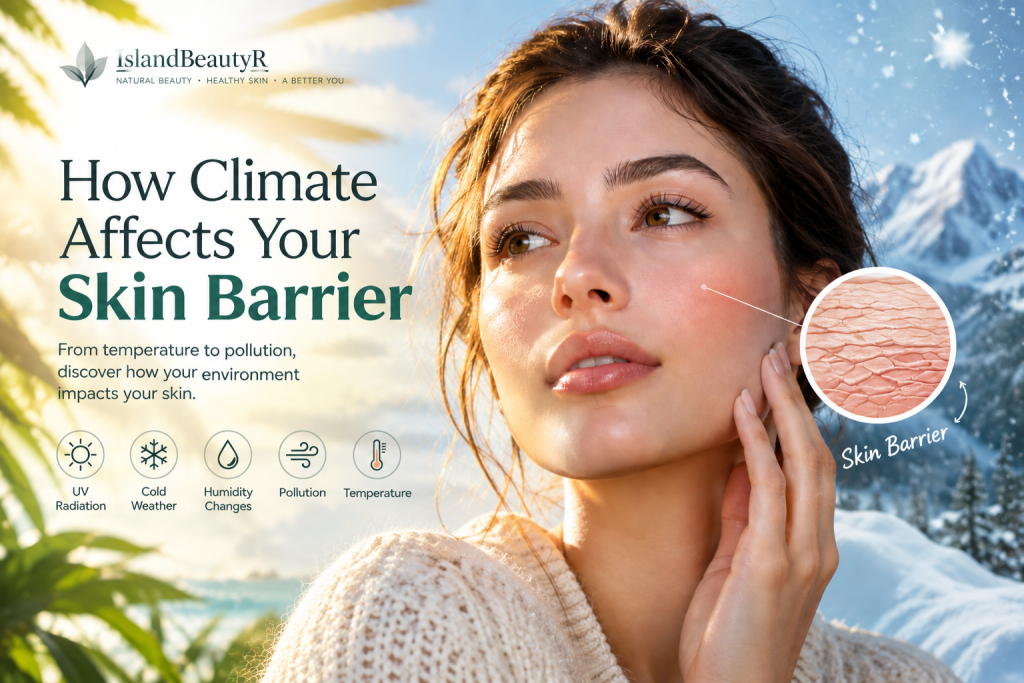
7 Powerful Science-Backed Facts: How Climate Affects Your Skin Barrier
Have you ever noticed that your skin looks and feels completely different when the weather changes?
One week, your skin may feel soft and balanced. A few days later, it can suddenly become tight, flaky, oily, irritated, or unusually sensitive.
This isn’t necessarily a coincidence.
Your skin is constantly interacting with the environment around it. Temperature, humidity, sunlight, wind, indoor heating, air conditioning, and pollution can all influence the conditions surrounding your skin.
Understanding how climate affects your skin barrier can explain why a skincare routine that works perfectly in one season may suddenly feel too drying, too heavy, or simply ineffective in another.
The skin barrier is particularly important because it helps control water loss and protects the body from external stressors. One of the main scientific measurements used to study barrier function is transepidermal water loss (TEWL)—the amount of water moving through the stratum corneum and evaporating from the skin. Higher TEWL is generally associated with impaired barrier function, although TEWL is also strongly influenced by environmental conditions and the measurement site.
This is islandbeautyr.com, and I am Rasta Kafashan, the author of this website. I can help you better understand and become more aware of your skin, based on the most up-to-date scientific research. So, stay with us and follow islandbeautyr.com.
So, how climate affects your skin barrier is more complicated than simply saying “cold weather causes dry skin.”
Let’s look at the science.
What Is the Skin Barrier?
To understand how climate affects your skin barrier, you first need to understand what the barrier actually does.
The outermost layer of your skin is called the stratum corneum. It contains corneocytes surrounded by an organized mixture of lipids, including ceramides, cholesterol, and fatty acids.
This structure helps regulate water movement between your body and the environment.
Think of it as a protective wall:
- The corneocytes provide structural strength.
- Intercellular lipids help form the barrier between cells.
- Natural moisturizing factors help retain water.
- The overall structure helps limit excessive water loss.
When this system becomes disrupted, your skin may lose water more easily and become more vulnerable to irritation.
That is why TEWL is so important in skin-barrier research.
And this is exactly where climate enters the picture.
1. Low Humidity Can Make Your Skin Feel Dry and Tight
One of the clearest ways climate affects your skin barrier becomes noticeable is through humidity.
When environmental humidity is low, the surrounding air contains less water vapor.
This can change the moisture balance at the surface of your skin.
Research examining environmental humidity has linked low-humidity conditions with changes in stratum corneum hydration, roughness, and skin function. The retention of water in the stratum corneum is important for normal skin function. However, research on humidity and skin barrier function is not completely consistent.
Low humidity can be particularly noticeable during:
- Cold winter weather
- Dry climates
- Indoor heating
- Strong air conditioning
- Long airplane flights
Your skin may respond with:
Tightness → roughness → flaking → increased sensitivity
If you already have a compromised barrier, these effects may feel even stronger.
What should you do?
Instead of immediately adding multiple active ingredients, prioritize a gentle cleanser and a moisturizer containing barrier-supportive ingredients.
Humectants such as glycerin can help attract water, while emollient and occlusive ingredients can help reduce excessive water loss.
2. Cold Weather Can Stress the Skin Barrier
Another important part of how climate affects your skin barrier is temperature.

Cold environments are often accompanied by lower humidity, making it difficult to separate the effects of temperature from humidity completely.
A major review found that low humidity and low temperatures can reduce skin-barrier function and increase susceptibility to mechanical stress. It also reported greater reactivity to irritants and allergens under certain conditions.
This can explain why winter skin often feels different.
You might notice:
- Dry patches
- Flaking
- Tightness
- Redness
- Stinging
- Increased sensitivity
And there is another problem.
People often respond to winter dryness by cleansing harder or exfoliating more aggressively.
That can create a cycle:
Cold/dry environment → dryness → aggressive skincare → more irritation → weaker-feeling barrier
Instead, winter skincare should generally become gentler, not more aggressive.
3. Hot and Humid Weather Changes Your Skin Differently
If you’re wondering how climate affects your skin barrier during summer, the answer is different.
Higher temperatures and humidity can increase sweating and change the hydration state of the skin.
Controlled studies have shown that temperature and relative humidity can influence skin hydration and other physiological barrier-related measurements.

This doesn’t mean hot weather automatically damages your barrier.
Instead, your skin is responding to a different environment.
In hot conditions, you may experience:
- More sweating
- Increased facial shine
- Changes in sebum
- Greater discomfort from heavy creams
- More friction
- More frequent cleansing
For combination or oily skin, using an extremely heavy moisturizer in a hot climate may feel unnecessary.
A lighter moisturizer can sometimes provide enough comfort without making the skin feel excessively coated.
But don’t confuse oily skin with adequately hydrated skin.
Your skin can produce oil while still experiencing changes in water balance.
4. Air Conditioning Can Affect Your Skin Too
You don’t need to live in an extreme climate to experience environmental stress.
Air conditioning and indoor heating can change the humidity of the environment around you.
This is one reason you might experience an unusual combination:
Oily outside + tight inside.
It may seem contradictory, but oil production and skin hydration are not the same thing.
If you spend hours in an air-conditioned environment and your face starts feeling tight, your first response shouldn’t necessarily be stronger exfoliation.
Instead, check whether your cleanser is too harsh and whether your moisturizer provides enough barrier support.
This is one of the simplest practical lessons from understanding how climate affects your skin barrier:
Your skincare routine needs to respond to your environment—not just your skin type.
5. UV Radiation Can Disrupt the Skin Barrier
Climate isn’t only about temperature and humidity.
Sunlight is another major environmental factor.
Ultraviolet radiation can affect the epidermis and has been associated with disruption of the epidermal barrier. Research has shown that UV exposure can affect the stratum corneum and mechanisms involved in water regulation.
This makes sunscreen an important part of a barrier-conscious skincare routine.
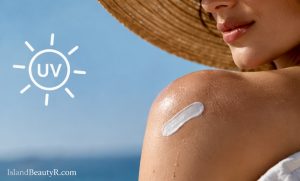
UV exposure is particularly relevant because it can contribute to:
- Photoaging
- Oxidative stress
- Inflammation
- Changes in skin structure
- Barrier disruption
And remember:
Hot weather and UV exposure are not the same thing.
You can experience significant UV exposure without feeling extremely hot.
That’s why sunscreen shouldn’t be based solely on temperature.
A broad-spectrum sunscreen is one of the most important environmental-protection steps you can add to your morning routine.
6. Pollution Can Add Another Layer of Stress
Another important factor in understanding how climate affects your skin barrier is air pollution.
Your skin is exposed to the outside environment every day, and airborne pollutants can interact with the skin surface.
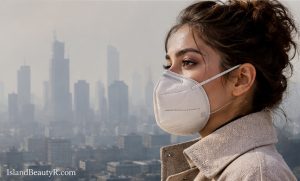
A systematic review found that studies examining particulate matter and nitrogen dioxide exposure consistently reported increased TEWL, although research on broader environmental and seasonal effects has been less consistent.
Particulate matter has also been associated with oxidative stress, inflammatory pathways, and skin-barrier dysfunction in experimental and epidemiological research.
More recent evidence continues to investigate relationships between air pollution and inflammatory skin diseases, acne, skin aging, and other conditions, although the strength of evidence varies between outcomes.
This means your environmental skincare strategy isn’t simply:
Moisturizer + sunscreen
It can also involve reducing unnecessary exposure to polluted air and cleansing gently after substantial outdoor exposure.
But avoid aggressive “detox” routines.
Your skin doesn’t need a harsh scrub to remove pollution.
7. Seasonal Skincare Should Adapt to Your Environment
The final lesson from how climate affects your skin barrier is that your skincare routine doesn’t have to stay identical all year.
Instead, make small adjustments.
During cold, dry weather:
Focus on:
- Gentle cleansing
- Barrier-supportive moisturizer
- Hydrating ingredients
- Reduced over-exfoliation
- Consistent sunscreen
During hot, humid weather:
Consider:
- Lightweight hydration
- Comfortable moisturizer textures
- Gentle cleansing after heavy sweating
- Consistent sunscreen
- Avoiding unnecessary layers
During dry indoor conditions:
Focus on:
- Hydration
- Moisturization
- Avoiding excessive cleansing
- Monitoring tightness and irritation
The goal isn’t to completely change your routine every season.
The goal is to adapt your routine when your skin gives you a reason to.

How Do You Know If Climate Is Affecting Your Skin Barrier?
Climate may be contributing to barrier stress if your skin suddenly develops:
- Tightness
- Roughness
- Flaking
- Burning or stinging
- Increased redness
- Unusual sensitivity
- A sudden change in hydration
- Greater discomfort after cleansing
However, don’t automatically blame the weather.
The same symptoms can occur after:
- Starting a retinoid
- Increasing exfoliation
- Using a harsh cleanser
- Washing your face too frequently
- Introducing several new products
- Getting excessive sun exposure
This is why how climate affects your skin barrier should be considered alongside your entire skincare routine.
How to Protect Your Skin Barrier in Any Climate
You don’t need a complicated routine.
A simple barrier-conscious routine can look like this:
Morning
Gentle cleanse → moisturizer → broad-spectrum sunscreen
Evening
Gentle cleanse → hydrating product if needed → moisturizer
Then adapt the texture and intensity according to your environment.
If your skin becomes drier in winter, you might use a richer moisturizer.
If your skin becomes uncomfortable in humid weather, you might prefer a lighter formulation.
If your skin becomes irritated, temporarily reducing unnecessary exfoliation may be more useful than adding another active ingredient.
Climate vs. Damaged Skin Barrier: What’s the Difference?
This is an important distinction.
Climate can contribute to barrier stress, but it isn’t always the primary cause.
For example:
Scenario A
You move into a cold, dry environment and your skin becomes tight and flaky.
Climate may be contributing.
Scenario B
You start using three exfoliating products and your skin becomes red and stinging.
Your skincare routine is a much more obvious suspect.
Scenario C
You move into a cold climate and simultaneously start a retinoid.
Now several factors may be interacting.
This is why there is no single answer to how climate affects your skin barrier.
Individual skin characteristics, environmental conditions, and skincare habits all matter.
FAQ: How Climate Affects Your Skin Barrier
Does cold weather damage the skin barrier?
Cold weather, particularly when combined with low humidity, can place stress on the skin barrier and contribute to dryness and increased sensitivity.
Does humidity help the skin barrier?
Humidity can influence skin hydration and barrier-related measurements, but the relationship is complex. Very low humidity can contribute to dryness, while research on humidity and barrier function is not completely consistent.
Can air conditioning dry out your skin?
Yes. Air-conditioned indoor environments can have relatively low humidity, which may contribute to dry-feeling skin, particularly when exposure is prolonged.
Can hot weather damage your skin barrier?
Hot weather does not automatically damage the barrier. However, heat, sweating, humidity, UV exposure, and changes in skincare habits can alter the skin’s environment.
Does sunscreen protect the skin barrier?
Sunscreen primarily protects against UV radiation and its associated damage. Because UV exposure can affect epidermal barrier function, consistent sun protection is an important part of protecting overall skin health.
Can pollution damage the skin barrier?
Air pollution has been associated with increased TEWL and other forms of skin stress in research, although the magnitude of effects varies depending on the pollutant and study design.
Final Takeaway
So, how climate affects your skin barrier comes down to much more than whether the weather is hot or cold.
Humidity, temperature, UV radiation, indoor climate, airflow, and pollution can all interact with your skin.
Cold and dry conditions can be particularly challenging for sensitive or already compromised skin, while hot and humid environments can change sweating, sebum, hydration, and product tolerance.
The smartest approach isn’t to buy a completely new skincare routine every season.
Instead:
Protect your skin.
Keep it moisturized.
Avoid unnecessary irritation.
Use sunscreen.
And adjust your routine when your environment changes.
Your skin doesn’t need to perfectly adapt to every climate.
Your skincare routine should adapt to your skin.
Scientific References
- Engebretsen KA, et al. The effect of environmental humidity and temperature on skin barrier function and dermatitis. Journal of the European Academy of Dermatology and Venereology.
- Marrakchi S, Maibach HI. Climate and skin function: an overview. Skin Research and Technology.
- Green M, et al. Transepidermal water loss (TEWL): Environment and pollution—A systematic review. Skin Health and Disease.
- Goad N, Gawkrodger DJ. Ambient humidity and the skin: the impact of air humidity in healthy and diseased states. JEADV.
- Verdier-Sévrain S, Bonté F. Skin hydration: a review on its molecular mechanisms. Journal of Cosmetic Dermatology.
- Epidermal barrier: Adverse and beneficial changes induced by ultraviolet B irradiation depending on the exposure dose and time.
Medical Disclaimer
This article is for educational purposes only and does not replace professional medical advice, diagnosis, or treatment. If you have persistent redness, severe dryness, cracking, burning, eczema, or ongoing skin irritation, consult a qualified dermatologist.
IslandBeautyR.com