
Retinol for Beginners: The Complete Science-Based Guide (2026)
Why Retinol Is Still the Gold Standard of Skincare
Few skincare ingredients have been studied as extensively as retinoids. While skincare trends come and go, retinol has remained one of the most trusted ingredients recommended by dermatologists for improving skin texture, reducing visible signs of aging, and supporting long-term skin health.
The popularity of retinol is not based on marketing hype. Decades of scientific research have demonstrated that retinol can stimulate collagen production, improve epidermal renewal, reduce hyperpigmentation, and help prevent clogged pores.
For anyone researching retinol for beginners, understanding the science behind this ingredient is the first step toward achieving better results while minimizing irritation.
Few skincare ingredients have been studied as extensively as retinoids. While skincare trends come and go, retinol has remained one of the most trusted ingredients recommended by dermatologists for improving skin texture, reducing visible signs of aging, and supporting long-term skin health.
The popularity of retinol is not based on marketing hype. Decades of scientific research have demonstrated that retinol can stimulate collagen production, improve epidermal renewal, reduce hyperpigmentation, and help prevent clogged pores.
For anyone researching retinol for beginners, understanding the science behind this ingredient is the first step toward achieving better results while minimizing irritation.
This is islandbeautyr.com, and I am Rasta Kafashan, the author of this website. I can help you better understand and become more aware of your skin, based on the most up-to-date scientific research. So, stay with us and follow islandbeautyr.com.
What Is Retinol?
Retinol is a vitamin A derivative belonging to a larger family of compounds called retinoids.
When applied to the skin, retinol undergoes a multi-step conversion process:
Retinol → Retinaldehyde → Retinoic Acid
Retinoic acid is the biologically active form that interacts with receptors inside skin cells and influences gene expression.
Because retinol requires conversion before becoming active, it is generally gentler than prescription retinoids.
This makes retinol one of the most suitable options for beginners.
How Retinol Works at the Cellular Level
Retinol affects multiple biological processes simultaneously.
Increased Cell Turnover
Dead skin cells are shed more efficiently, reducing dullness and rough texture.
Collagen Stimulation
Retinol encourages fibroblasts to produce more collagen.
Collagen loss is one of the primary causes of wrinkles and skin laxity.
Improved Skin Thickness
Contrary to common myths, retinol can actually increase epidermal thickness over time.
Reduced Pigmentation
Retinol promotes more even distribution of melanin within the skin.
Pore Regulation
By preventing abnormal accumulation of dead skin cells, retinol helps reduce clogged pores and acne formation.
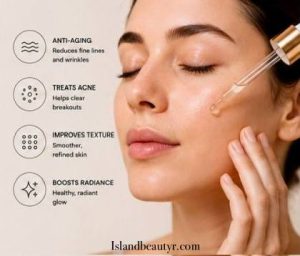
10 Proven Benefits of Retinol
1. Reduces Fine Lines
Studies consistently show improvement in fine wrinkles after several months of use.
2. Improves Skin Elasticity
Collagen stimulation contributes to firmer-looking skin.
3. Smooths Skin Texture
Rough patches gradually become less noticeable.
4. Brightens Dull Skin
Faster cellular renewal creates a healthier appearance.
5. Helps Fade Acne Marks
Post-inflammatory hyperpigmentation may improve over time.
6. Reduces Uneven Skin Tone
Pigment distribution becomes more uniform.
7. Supports Acne Prevention
Retinol can help keep pores clearer.
8. Minimizes Appearance of Enlarged Pores
Improved skin structure often makes pores appear smaller.
9. Enhances Other Skincare Products
Healthy cell turnover may improve product penetration.
10. Supports Long-Term Skin Health
Retinol addresses both cosmetic concerns and biological aging mechanisms.
| Feature | Retinol | Retinal | Tretinoin |
|---|---|---|---|
| Prescription Required | No | No | Yes |
| Strength | Moderate | Stronger | Strongest |
| Irritation Risk | Low-Moderate | Moderate | High |
| Beginner Friendly | Excellent | Good | Poor |
| Results Speed | Moderate | Faster | Fastest |
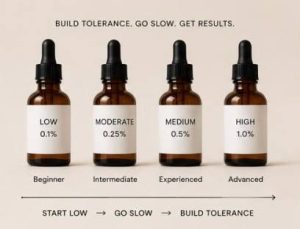
Choosing the Right Retinol Strength for Beginners
0.1% Retinol
Best for:
- Sensitive skin
- First-time users
- Reactive skin barriers
0.25% Retinol
Best beginner concentration overall.
0.3% Retinol
Ideal for users with previous active-skincare experience.
0.5% Retinol
Usually appropriate after several months of successful adaptation.
1% Retinol
Generally recommended only after building significant tolerance.
How to Start Retinol Without Damaging Your Skin Barrier
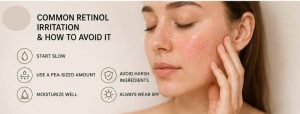
Many beginners fail because they start too aggressively.
Follow this schedule:
Weeks 1-2
1 night weekly
Weeks 3-4
2 nights weekly
Weeks 5-8
Every third night
Months 3+
Every other night or nightly
Slow introduction significantly reduces irritation.
The Retinol Sandwich Method Explained
Dermatologists often recommend:
Moisturizer → Retinol → Moisturizer
Benefits include:
- Reduced irritation
- Less dryness
- Improved comfort
- Better adherence
This technique is particularly useful for retinol for beginners.
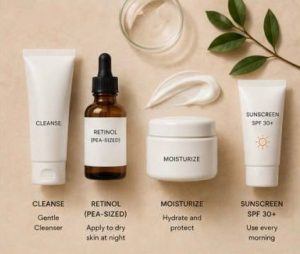
How to Start Retinol Safely: A Retinol for Beginners Guide
Normal adjustment symptoms:
- Dryness
- Mild redness
- Flaking
- Tightness
- Increased sensitivity
These effects usually improve within 4–8 weeks.
Retinol Purging vs Breakouts
Purging
Characteristics:
- Occurs in usual acne-prone areas
- Begins shortly after starting retinol
- Gradually improves
Irritation Breakouts
Characteristics:
- New locations
- Persistent worsening
- Accompanied by severe redness
Understanding the difference prevents unnecessary discontinuation.
Retinol Mistakes Beginners Make
Using Too Much
A pea-sized amount is enough.
Applying Every Night Immediately
One of the most common causes of irritation.
Skipping Moisturizer
Barrier support is critical.
Ignoring Sunscreen
Sun protection is mandatory.
Combining Too Many Active Ingredients
Avoid introducing multiple potent actives simultaneously.
Best Ingredients to Pair with Retinol
Ceramides
Help restore barrier function.
Hyaluronic Acid
Provides hydration.
Glycerin
Improves moisture retention.
Niacinamide
Supports barrier health and may reduce irritation.
Peptides
Complement anti-aging benefits.
Ingredients to Use Carefully
- Glycolic acid
- Salicylic acid
- High-strength AHAs
- Benzoyl peroxide
- Strong exfoliating treatments
Beginners should introduce these cautiously.
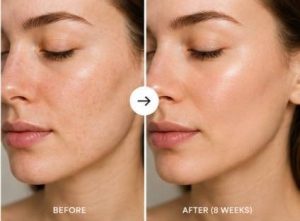
Retinol Results Timeline
Weeks 1-4
Possible dryness and brightness improvements.
Weeks 4-8
Texture improvements emerge.
Months 3-6
Visible wrinkle reduction may begin.
Months 6-12
Significant collagen-related benefits become noticeable.
Who Should Avoid Retinol?
Retinol may not be suitable for:
- Pregnant individuals
- People advised against vitamin A derivatives by healthcare professionals
- Individuals with severely compromised skin barriers
Professional medical advice should always take priority.
Science-Based Myths About Retinol
Myth: Retinol Thins the Skin
Research suggests retinol can increase epidermal thickness.
Myth: Higher Percentages Always Work Better
Consistency matters more than strength.
Myth: Burning Means It’s Working
Excessive irritation indicates overuse.
Myth: Retinol Causes Permanent Sensitivity
Most users adapt over time.
Frequently Asked Questions
What age should beginners start retinol?
Many dermatologists suggest the mid-20s to early 30s for preventive anti-aging benefits, though acne management may warrant earlier use.
Can retinol be used with vitamin C?
Yes, although beginners may prefer using vitamin C in the morning and retinol at night.
Is retinol safe for sensitive skin?
Many sensitive-skinned individuals can tolerate low-strength retinol with gradual introduction.
Can I use retinol every day?
Only after building tolerance.
How long should I use retinol?
Retinol provides the greatest benefits with long-term consistent use.
Final Thoughts
Retinol remains one of the most scientifically validated skincare ingredients available today. Its ability to improve skin texture, support collagen production, reduce visible signs of aging, and promote healthier skin renewal makes it a cornerstone of modern skincare.
For anyone interested in retinol for beginners, success comes from patience, consistency, proper moisturizing, and diligent sunscreen use. Starting slowly and respecting the skin barrier will produce far better long-term outcomes than using overly aggressive routines.
With realistic expectations and evidence-based practices, retinol can become one of the most effective investments in long-term skin health.