
How to Tell If Your Skin Barrier Is Damaged: 10 Science-Backed Warning Signs
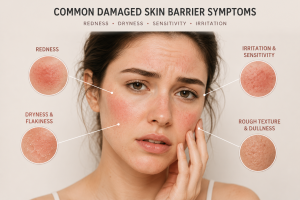
Damaged skin barrier symptoms can include dryness, redness, irritation, breakouts, itching, and increased sensitivity. If your skin suddenly becomes reactive, uncomfortable, or difficult to manage, a damaged skin barrier may be the underlying cause.
Your skin barrier plays a critical role in protecting against environmental stressors, preventing moisture loss, and maintaining overall skin health. When the skin barrier becomes compromised, it struggles to perform these functions effectively, leading to inflammation, dehydration, and increased sensitivity. Understanding the warning signs of a damaged skin barrier can help you take the right steps toward recovery.
This is islandbeautyr.com, and I am Rasta Kafashan, the author of this website. I can help you better understand and become more aware of your skin, based on the most up-to-date scientific research. So, stay with us and follow islandbeautyr.com.
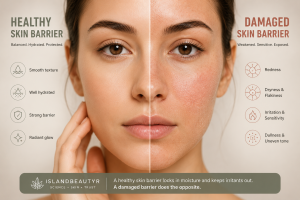
What Is the Skin Barrier and Why Is It Important?
Your skin barrier is the outermost protective layer of the skin. Scientifically known as the stratum corneum, it acts as a shield between your body and the outside environment.
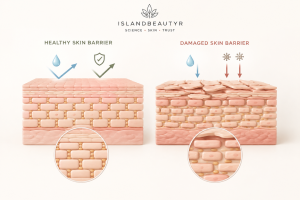
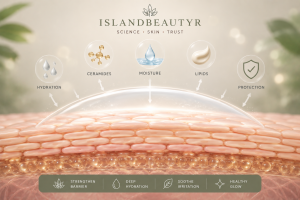
Think of the skin barrier as a brick wall:
- Skin cells are the bricks.
- Lipids such as ceramides, cholesterol, and fatty acids are the mortar.
When the skin barrier function is healthy, it helps:
- Prevent water loss
- Maintain skin hydration
- Block pollutants and irritants
- Support a balanced skin microbiome
- Reduce inflammation
However, once the barrier becomes compromised, the skin becomes vulnerable to moisture loss and irritation. This condition is commonly referred to as a damaged skin barrier.
What Causes a Damaged Skin Barrier?
Many modern skincare habits can unintentionally weaken the skin barrier.
Common causes include:
- Over-exfoliation
- Excessive use of retinoids
- Frequent chemical peels
- Harsh cleansers
- Overwashing
- Sun damage
- Air pollution
- Dry climates
- Chronic stress
- Poor sleep quality
In many cases, a damaged skin barrier develops gradually rather than overnight.
10 Science-Backed Signs of a Damaged Skin Barrier
1. Persistent Dryness That Doesn’t Improve
One of the earliest signs of a damaged skin barrier is persistent dryness.
If your skin feels dry even after applying moisturizers, the issue may not be a lack of hydration products but a weakened barrier that cannot retain water effectively.
When the barrier is compromised, water escapes through a process called transepidermal water loss (TEWL).
Common symptoms:
- Dry patches
- Rough texture
- Tight feeling
- Dehydrated appearance
2. Increased Skin Sensitivity
Has your favorite serum suddenly started irritating?
A compromised skin barrier allows ingredients to penetrate deeper into the skin, increasing sensitivity and discomfort.
People often notice:
- Stinging
- Burning
- Tingling
- Product intolerance
This is one of the most recognizable signs of a damaged skin barrier.
3. Redness That Appears More Frequently
A healthy skin barrier helps regulate inflammation.
When the barrier becomes damaged, inflammatory responses become easier to trigger.
You may notice:
- Diffuse redness
- Flushed cheeks
- Irritation after skincare
- Increased skin reactivity
Persistent redness is often a warning sign that your skin barrier health needs attention.
4. Burning Sensation After Applying Products
Healthy skin should tolerate basic skincare products without discomfort.
If moisturizers, serums, or sunscreens suddenly cause burning, your skin barrier may be compromised.
The damaged skin barrier allows ingredients to reach deeper skin layers where nerve endings are more easily stimulated.
5. Unexplained Itching
Many people associate itching with allergies.
However, itching can also indicate a weakened skin barrier.
When the protective layer becomes impaired, irritants and environmental triggers can penetrate the skin more easily, activating sensory nerves.
Common situations:
- Itching after cleansing
- Itching without visible rash
- Nighttime itching
- Seasonal itching
6. More Breakouts Than Usual
Many people are surprised to learn that a damaged skin barrier can contribute to acne.
Barrier dysfunction can increase inflammation, disrupt the skin microbiome, and trigger excess oil production as the skin attempts to compensate for moisture loss.
You may experience:
- Small inflamed bumps
- Unexpected breakouts
- Acne combined with dryness
- Increased skin congestion
7. Flaking and Peeling Skin
Flaking is often mistaken for simple dryness.
In reality, excessive peeling can indicate a damaged skin barrier struggling to maintain normal cell turnover.
This is particularly common after:
- Overuse of retinoids
- Strong exfoliating acids
- Acne treatments
- Aggressive skincare routines
Visible flakes are often a sign that skin barrier repair should become your top priority.
8. Tightness Immediately After Cleansing
Your face should feel clean after washing—not painfully tight.
A tight sensation often indicates that the cleanser has removed too many essential lipids from the skin surface.
When this occurs repeatedly, the moisture barrier weakens and becomes more vulnerable to damage.
If your skin feels stretched or uncomfortable after cleansing, it may be an early warning sign of a damaged skin barrier.
9. Increased Reactivity to Weather Changes
People with healthy skin generally tolerate seasonal changes reasonably well.
A compromised skin barrier often struggles with:
- Cold weather
- Wind exposure
- Low humidity
- Air conditioning
- Indoor heating
Environmental stressors can worsen symptoms and delay skin barrier recovery.
10. Dull, Tired-Looking Skin
One of the less obvious signs of a damaged skin barrier is a loss of radiance.
When hydration levels decline and inflammation increases, skin often appears:
- Dull
- Fatigued
- Uneven
- Less vibrant
Many individuals mistake this for premature aging when the underlying problem is actually skin barrier dysfunction.
How Does a Damaged Skin Barrier Affect Skin Health?
The skin barrier influences nearly every aspect of skin function.
When the barrier becomes compromised:
- Water loss increases
- Inflammation rises
- Sensitivity worsens
- Healing slows down
- Breakouts become more likely
Over time, a damaged skin barrier can make the skin appear older and less resilient.
This is why maintaining skin barrier health has become a major focus in modern dermatology.
How to Repair a Damaged Skin Barrier
Fortunately, skin barrier repair is possible in most cases.
Simplify Your Skincare Routine
Temporarily reduce the use of:
- Exfoliating acids
- Retinoids
- Scrubs
- Strong active ingredients
Less irritation allows the skin barrier to recover more efficiently.
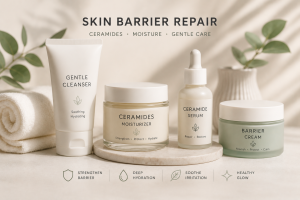
Focus on Barrier-Supporting Ingredients
Look for products containing:
- Ceramides
- Cholesterol
- Fatty acids
- Glycerin
- Panthenol
- Squalane
These ingredients support skin barrier repair and improve moisture retention.
Avoid Overwashing
Cleansing twice daily is generally sufficient for most skin types.
Excessive washing can worsen barrier damage and increase transepidermal water loss.
Wear Sunscreen Daily
UV radiation can impair skin barrier function and delay recovery.
Daily broad-spectrum sunscreen helps protect healing skin from further damage.
Prioritize Sleep and Stress Management
Chronic stress and inadequate sleep can increase inflammation and interfere with skin barrier recovery.
Healthy lifestyle habits play an important role in long-term skin barrier health.
How Long Does It Take to Repair a Damaged Skin Barrier?
Recovery time depends on the severity of the damage.
In mild cases, noticeable improvement may occur within a few weeks.
More significant barrier disruption can require several weeks or even months of consistent care.
The most important factor is reducing irritation while supporting the skin’s natural repair processes.
When Should You See a Dermatologist?
Consult a dermatologist if you experience:
- Severe redness
- Persistent irritation
- Painful inflammation
- Symptoms that do not improve
- Suspected eczema or rosacea
Some skin conditions can mimic a damaged skin barrier and require professional diagnosis.
Frequently Asked Questions:
How do I know if my skin barrier is damaged?
Common signs include dryness, redness, burning, itching, sensitivity, flaking, and breakouts. These symptoms often indicate impaired skin barrier function.
Can a damaged skin barrier cause acne?
Yes. A damaged skin barrier can increase inflammation, disrupt the skin microbiome, and contribute to acne development.
What ingredients help repair the skin barrier?
Ceramides, cholesterol, fatty acids, glycerin, panthenol, and squalane are among the most effective ingredients for skin barrier repair.
Can over-exfoliation damage the skin barrier?
Yes. Excessive use of exfoliating acids, scrubs, and aggressive treatments is a leading cause of skin barrier damage.
How long does skin barrier recovery take?
Mild cases may improve within a few weeks, while more severe cases can take several months depending on individual circumstances.
Final Thoughts
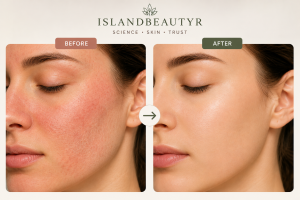
A damaged skin barrier is more common than many people realize. Persistent dryness, redness, sensitivity, itching, breakouts, and flaking are all signs that your skin’s protective shield may not be functioning properly.
The good news is that skin barrier repair is achievable with a gentle routine, barrier-supporting ingredients, and patience. By recognizing the warning signs early and prioritizing skin barrier health, you can restore hydration, reduce irritation, and improve the overall appearance and resilience of your skin.
References
- Elias PM. Skin Barrier Function. Current Allergy and Asthma Reports. Available from: https://pmc.ncbi.nlm.nih.gov/articles/PMC2843412/
- Cleveland Clinic. Skin Barrier: What It Is, How It Works, and Signs of Damage. Available from: https://health.clevelandclinic.org/skin-barrier
- Baker P, et al. Skin Barrier Function: The Interplay of Physical, Chemical, and Immunologic Properties. Available from: https://pmc.ncbi.nlm.nih.gov/articles/PMC10706187/
- Borodzicz S, et al. The Role of Epidermal Sphingolipids and Ceramides in Skin Barrier Function. Lipids in Health and Disease. Available from: https://lipidworld.biomedcentral.com/articles/10.1186/s12944-016-0178-7
- Kono T, et al. The Role of Ceramides in Skin Barrier Function and Moisturization. Available from: https://pmc.ncbi.nlm.nih.gov/articles/PMC9293121/
Medical Disclaimer:
This article is for educational and informational purposes only and is not intended to replace professional medical advice, diagnosis, or treatment. While every effort has been made to ensure the accuracy of the information presented, skincare needs and medical conditions can vary from person to person. Always consult a qualified dermatologist or healthcare professional before making decisions regarding your skin health, especially if you experience persistent irritation, severe symptoms, or underlying medical conditions.