
7 Shocking Facts: Can Retinol Damage the Skin Barrier? What Science Really Says
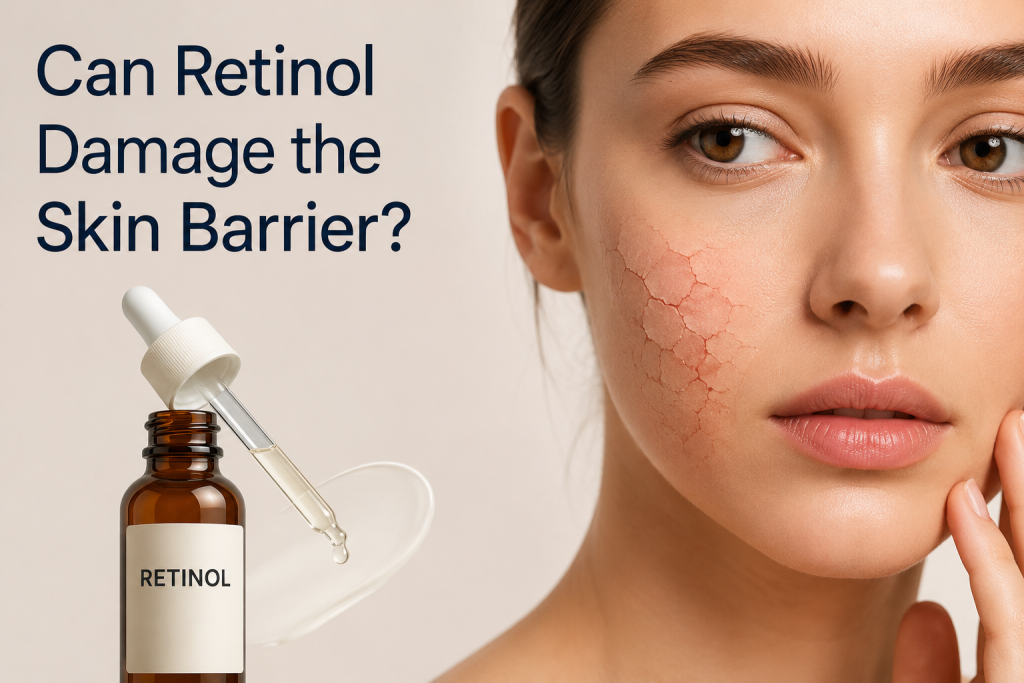
Retinol is one of the most recommended skincare ingredients in the world. Dermatologists often suggest it for acne, wrinkles, uneven skin tone, and photoaging. However, many users experience redness, peeling, dryness, and irritation shortly after introducing it into their routines. This has led to an important question: Can Retinol Damage the Skin Barrier?
The short answer is yes—but usually only when it is used incorrectly or too aggressively. Scientific evidence shows that retinol can temporarily disrupt the skin barrier, especially during the adaptation phase. Fortunately, this effect is often reversible when retinol is used properly.
In this article, we’ll explore the science behind retinol, how it affects the skin barrier, signs of barrier damage, and the best ways to enjoy retinol’s benefits while minimizing risks.
This is islandbeautyr.com, and I am Rasta Kafashan, the author of this website. I can help you better understand and become more aware of your skin, based on the most up-to-date scientific research. So, stay with us and follow islandbeautyr.com.
What Is the Skin Barrier?
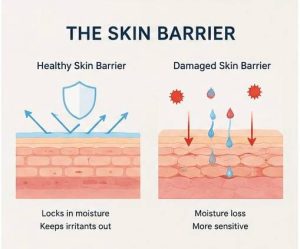
The skin barrier, also known as the stratum corneum, is the outermost layer of the skin. It acts like a protective shield that prevents excessive water loss while blocking harmful irritants, allergens, pollutants, and microorganisms.
A healthy skin barrier is rich in:
- Ceramides
- Cholesterol
- Fatty acids
- Natural moisturizing factors
When this protective layer becomes compromised, the skin may experience:
- Dryness
- Tightness
- Redness
- Flaking
- Increased sensitivity
- Burning sensations
Understanding barrier function is essential when discussing whether Can Retinol Damage the Skin Barrier is a legitimate concern.
What Does Retinol Do to the Skin?
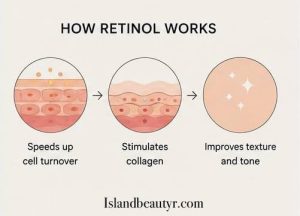
Retinol belongs to the retinoid family, which are vitamin A derivatives. Once applied, retinol is converted into retinoic acid within the skin.
Retinol works by:
- Increasing cell turnover
- Stimulating collagen production
- Improving skin texture
- Reducing acne lesions
- Fading hyperpigmentation
- Improving fine lines and wrinkles
These effects make retinol one of the most effective anti-aging ingredients available. However, the same accelerated cell turnover that provides benefits can also stress the skin barrier if introduced too quickly.
Can Retinol Damage the Skin Barrier?
The answer to Can Retinol Damage the Skin Barrier is nuanced.
Retinol itself does not permanently destroy the skin barrier. However, research indicates that excessive retinol use may temporarily impair barrier function during the adjustment period.
This occurs because retinol accelerates exfoliation and skin renewal. As old skin cells shed more rapidly, the skin may lose water more easily and become more vulnerable to irritation.
Common symptoms include:
- Increased transepidermal water loss (TEWL)
- Dry patches
- Redness
- Peeling
- Sensitivity to skincare products
For some individuals, particularly those with sensitive skin, overusing retinol can create significant barrier disruption.
The Science Behind Retinol-Induced Irritation
Several studies have demonstrated that topical retinoids can initially increase skin irritation and compromise barrier integrity.
Researchers believe this happens because retinoids:
- Accelerate epidermal turnover.
- Alter lipid organization within the stratum corneum.
- Increase skin sensitivity during adaptation.
- Reduce tolerance to environmental stressors.
Interestingly, long-term use often produces the opposite effect. Once the skin adapts, retinoids may improve epidermal thickness and overall skin health.
This means that when asking Can Retinol Damage the Skin Barrier, timing matters. Short-term irritation is common, while long-term structural benefits are frequently observed.
Signs Your Skin Barrier May Be Damaged by Retinol
If you’re wondering whether your retinol routine is causing problems, watch for these warning signs:
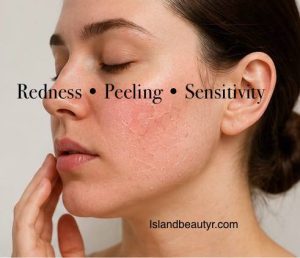
Persistent Redness
Temporary redness can occur during the retinization phase. However, persistent redness may indicate barrier dysfunction.
Burning Sensation
Healthy skin should not burn when applying gentle moisturizers. A burning sensation often suggests barrier compromise.
Excessive Peeling
Mild flaking is normal. Heavy peeling and cracking are not.
Increased Sensitivity
If products you’ve previously tolerated sting suddenly or irritate your skin, your barrier may be struggling.
Tight, Dehydrated Skin
A damaged barrier often loses water rapidly, leaving the skin feeling tight and uncomfortable.
Who Is Most at Risk?
Not everyone responds to retinol the same way.
Higher-risk groups include:
People with Sensitive Skin
Sensitive skin often reacts more intensely to active ingredients.
Individuals with Eczema or Rosacea
Pre-existing barrier dysfunction may increase susceptibility to irritation.
Users Combining Multiple Actives
Combining retinol with:
- Glycolic acid
- Salicylic acid
- Benzoyl peroxide
- Strong exfoliants
can dramatically increase the likelihood of barrier disruption.
Beginners Using High Concentrations
Starting with strong retinol products is one of the most common causes of irritation.
How to Use Retinol Without Damaging Your Skin Barrier
The good news is that most cases of retinol-related irritation can be prevented.
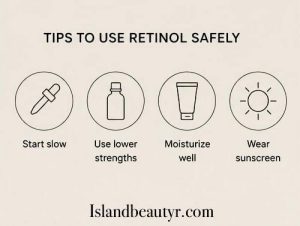
Start Slowly
Use retinol only 1–2 nights per week initially.
Gradually increase frequency as tolerance improves.
Choose Lower Strengths
Beginners often benefit from concentrations between 0.1% and 0.3%.
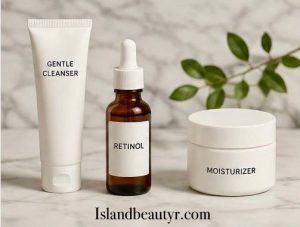
Use the Sandwich Method
Apply:
- Moisturizer
- Retinol
- Moisturizer
This technique helps reduce irritation.
Prioritize Barrier Repair Ingredients
Look for products containing:
- Ceramides
- Panthenol
- Glycerin
- Cholesterol
- Hyaluronic acid
Avoid Over-Exfoliation
Do not combine multiple aggressive treatments during the adaptation phase.
How Long Does Barrier Recovery Take?
If retinol causes barrier disruption, recovery time varies.
Mild irritation may improve within several days.
Moderate barrier impairment may require:
- Stopping retinol temporarily
- Consistent moisturizing
- Gentle cleansing
Most individuals notice improvement within two to six weeks.
Severe cases should be evaluated by a dermatologist.
Can Retinol Actually Improve the Skin Barrier?
Surprisingly, yes.
Although many people ask Can Retinol Damage the Skin Barrier, scientific evidence suggests that long-term, controlled retinoid use may strengthen skin structure.
Benefits may include:
- Improved epidermal thickness
- Enhanced collagen synthesis
- Better resilience against environmental damage
- Improved overall skin quality
The key is proper dosing and gradual introduction.
Frequently Asked Questions
Can Retinol Damage the Skin Barrier Permanently?
Permanent damage is uncommon. Most barrier disruption improves once retinol use is adjusted and supportive skincare is implemented.
Should I Stop Retinol If My Skin Is Peeling?
Mild peeling is expected. Severe peeling, burning, or persistent irritation may require reducing frequency or pausing treatment temporarily.
How Can I Repair My Skin Barrier After Retinol?
Focus on gentle cleansers, ceramide-rich moisturizers, sunscreen, and avoiding harsh exfoliants until recovery occurs.
Is Retinol Safe for Sensitive Skin?
Yes, but lower concentrations and slower introduction schedules are generally recommended for sensitive skin types.
Final Verdict: Can Retinol Damage the Skin Barrier?
So, Can Retinol Damage the Skin Barrier?
Yes, retinol can temporarily disrupt the skin barrier when used excessively, too frequently, or at concentrations that exceed your skin’s tolerance. However, this damage is generally reversible and can often be prevented through proper skincare practices.
When introduced gradually and paired with barrier-supporting ingredients, retinol remains one of the most effective and scientifically supported ingredients for healthier, younger-looking skin.
Rather than avoiding retinol altogether, focus on using it intelligently. With the right approach, you can enjoy its remarkable benefits while maintaining a strong and healthy skin barrier.