
Skin Microbiome Acne: 7 Shocking Scientific Facts That Could Be Triggering Your Breakouts
Acne is frustrating.
It returns when you least expect it.
It ignores expensive products.
And sometimes, it gets worse the harder you try to treat it.
For years, acne was blamed on oil, hormones, or dirty skin. But modern dermatology is revealing a far more complex truth. The real issue behind persistent breakouts may not be excess bacteria, but microbial imbalance.
Welcome to the science of skin microbiome acne.
Your skin is not sterile. It is alive. Trillions of microorganisms — bacteria, fungi, and viruses — form a dynamic ecosystem on its surface. This ecosystem is called the skin microbiome. When it is balanced, your skin stays calm, resilient, and clear. When it is disrupted, inflammation increases, the barrier weakens, and acne becomes harder to control.
What makes this even more concerning is that many common acne treatments may unintentionally damage this delicate ecosystem.
Over-cleansing.
Aggressive exfoliation.
Long-term antibiotic use.
High-strength antibacterial ingredients.
Instead of restoring balance, they sometimes create a deeper imbalance.
Understanding how the skin microbiome influences acne changes the entire strategy of acne treatment. It shifts the goal from “killing bacteria” to restoring ecological harmony.
Let’s explore what science actually says.
This is islandbeautyr.com, and I am rasta kafashan, author of this website. I can help you better understand and be aware of your skin based on the most up-to-date scientific research. So, stay with us and follow islandbeautyr.com.
1. Acne Is About Imbalance — Not Just Bacteria
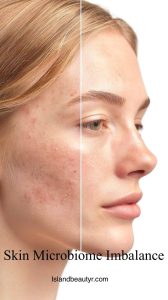
One of the biggest myths in dermatology is that a single harmful bacterium causes acne. While Cutibacterium acnes plays a role, research shows something surprising: people with clear skin also have this bacterium.
The difference lies in strain diversity.
Healthy skin contains multiple strains that coexist peacefully. In acne-prone skin, aggressive strains dominate while protective strains decrease. This imbalance triggers inflammation and immune overreaction.
Skin microbiome acne is not about eliminating bacteria. It is about restoring diversity.
2. Over-Cleansing Can Trigger Breakouts
Cleansing feels productive. But excessive washing strips protective lipids and alters skin pH. When the pH rises above its natural acidic range (around 4.5–5.5), microbial balance shifts.
Harsh surfactants reduce beneficial bacteria. Opportunistic strains multiply. The barrier weakens. Inflammation increases.
Ironically, trying to “deep clean” acne-prone skin may make the skin microbiome acne worse.
Gentle cleansing protects diversity. Aggressive cleansing reduces it.
3. Antibiotics May Offer Short-Term Relief but Long-Term Instability
Antibiotics reduce inflammatory lesions quickly. However, they are not selective. They kill both harmful and beneficial microbes.
Repeated or prolonged use decreases microbial resilience. When treatment stops, aggressive strains can repopulate rapidly. This rebound effect explains why some acne returns stronger.
Modern dermatology increasingly recommends shorter antibiotic courses combined with barrier-repair strategies to protect the microbiome.
4. The Skin Barrier and Microbiome Are Deeply Connected
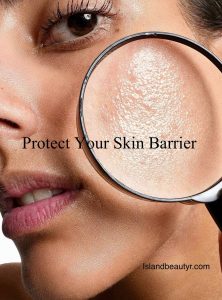
Your skin barrier and microbiome function as a team. The barrier keeps moisture in and irritants out. The microbiome protects against pathogenic invasion and regulates immune response.
When the barrier is compromised:
• Transepidermal water loss increases
• Inflammatory cytokines rise
• Microbial composition shifts
This creates the perfect environment for persistent breakouts.
Supporting the barrier with ceramides, cholesterol, fatty acids, and panthenol helps stabilize microbial balance and reduce skin microbiome acne flare-ups.
Barrier repair is not optional. It is foundational.
5. Diet Influences Microbial Balance Through the Gut-Skin Axis
Emerging evidence shows that the gut and skin communicate continuously. High-glycemic diets elevate insulin and IGF-1 levels, increasing sebum production and altering microbial composition.
Low-fiber, high-sugar diets promote systemic inflammation. This inflammatory state influences skin immunity and microbial diversity.
In contrast, diets rich in:
• Vegetables
• Omega-3 fatty acids
• Fermented foods
• Polyphenol-rich fruits
support microbial resilience.
Skin microbiome acne is not only topical. It is systemic.
6. Chronic Stress Disrupts Microbial Stability
Stress hormones such as cortisol weaken immune regulation. Elevated cortisol alters sebum composition and reduces antimicrobial peptides that normally keep microbial populations balanced.
Chronic stress creates subtle but continuous dysregulation. Over time, this shifts the skin ecosystem toward inflammatory dominance.
Sleep deprivation, emotional stress, and overtraining can all contribute to microbiome imbalance.
Clear skin requires physiological balance.
7. Not All Acne Treatments Are Microbiome-Friendly
Some powerful acne treatments work by aggressively reducing bacterial load. While effective in severe cases, overuse may compromise diversity.
High concentrations of benzoyl peroxide, frequent acid layering, and alcohol-based toners may disrupt beneficial strains.
The future of acne management focuses on:
• Prebiotics to feed protective bacteria
• Postbiotics to calm inflammation
• Moderate niacinamide concentrations
• Barrier-supportive moisturizers
Instead of destroying the ecosystem, modern strategies aim to stabilize it.
7 Proven Steps to Restore Your Skin Microbiome and Fight Acne
Your acne isn’t just about oil or hormones.
It’s about the tiny ecosystem living on your skin — your microbiome.
A healthy microbiome keeps your skin calm, balanced, and resilient. When it’s disrupted, inflammation spikes and breakouts flare.
Here’s a science-backed, easy-to-follow action plan dermatologists recommend to restore balance and finally calm your skin.
1. Protect Your Skin’s pH
• Use a gentle, low-pH cleanser (4.5–5.5)
• Avoid sulfates, strong foams, or harsh scrubs
• Result: Clean skin without stripping your protective microbes
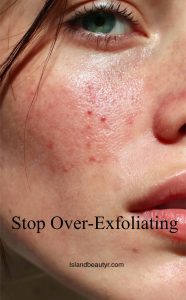
2. Exfoliate Smartly, Not Excessively
• Limit exfoliation to 2–3 times per week
• Stick to mild AHAs or BHAs
• Never layer multiple acids daily
• Result: Smooth skin while preserving microbial diversity
3. Build a Strong Barrier Daily
• Ingredients that work:
• Ceramides
• Panthenol
• Squalane
• Madecassoside
• Result: A resilient skin barrier stabilizes your microbiome and reduces acne
4. Feed Your Microbiome
• Prebiotics: Nourish good bacteria
• Postbiotics: Reduce inflammation without killing microbes
• Result: Balanced microbes = calmer, clearer skin

5. Avoid Long-Term Antibiotic Dependence
• Use antibiotics only when prescribed, for short courses
• Pair with barrier-repair routines
• Transition to maintenance therapy afterward
• Result: Prevent rebound breakouts and preserve microbial health
6. Support Gut-Skin Health
• Eat fiber-rich vegetables, fermented foods, and omega-3 sources
• Cut down on sugar and processed foods
• Result: A healthy gut directly improves microbial balance on your skin
7. Manage Stress Effectively
• Sleep 7–8 hours
• Exercise moderately
• Try meditation or breathing exercises
• Result: Cortisol control protects your skin ecosystem and reduces inflammatory breakouts
Key Takeaway
Your skin is not your enemy.
It’s a living ecosystem.
Stop trying to fight it with harsh products.
Start supporting it.
• Repair the barrier
• Preserve microbial diversity
• Reduce internal and external inflammation
Balance, not suppression, is the future of acne care.
Your skin heals when its ecosystem heals — and these 7 steps are your roadmap.

Conclusion: Treat Acne by Supporting Your Skin Ecosystem
Acne is no longer just a surface problem.
It’s a signal from your skin’s microbiome telling you that balance has been lost.
The future of acne care isn’t about destroying bacteria — it’s about restoring harmony.
When you:
• Protect your skin barrier
• Support microbial diversity
• Reduce internal inflammation
…you give your skin the environment it needs to heal naturally.
Think of your skin as an ecosystem, not a battlefield.
Strong, balanced, and nourished skin resists breakouts and glows from within.
By following these 7 science-backed steps, you’re not just treating acne.
You’re empowering your skin to thrive.
Your skin isn’t the problem — it’s the solution when you restore its balance.
Medically Reviewed & Evidence-Based Content
This article is based on peer-reviewed dermatology research and microbiome studies.