
15 Science-Backed Reactive Skin Barrier Care Solutions for Sensitive Skin
Sensitive skin is not fragile by nature.
It is overstimulated, under-protected, and misunderstood.
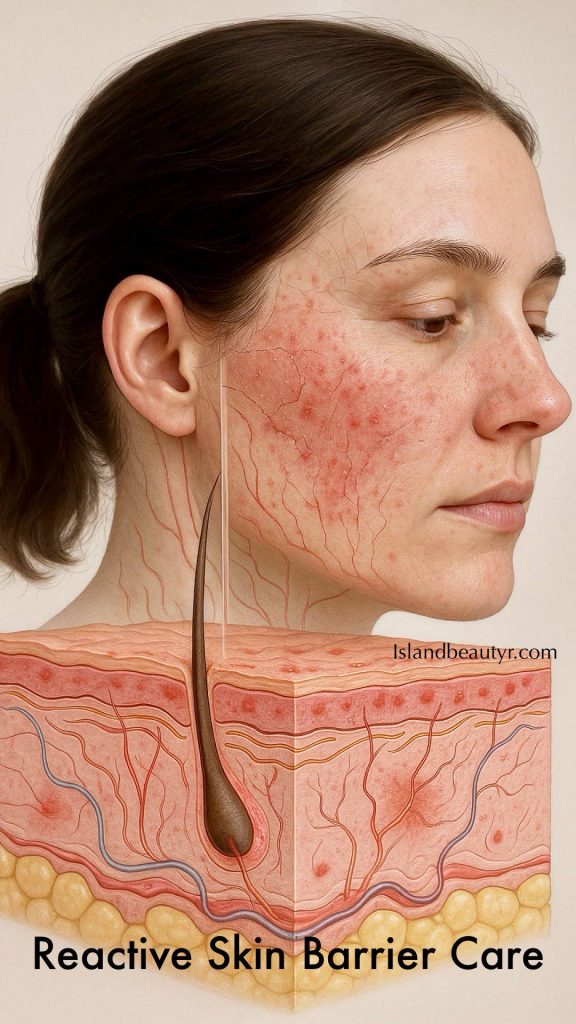
Many people struggle with redness, burning, tightness, itching, or sudden irritation. They switch products constantly, avoid active ingredients, and still see no improvement. Science now confirms why: sensitive skin is rarely caused by “bad products” alone. It is usually the result of a compromised skin barrier combined with heightened nerve sensitivity.
This is where Reactive Skin Barrier Care becomes essential.
Dermatological studies show that sensitive skin has increased transepidermal water loss, lower ceramide levels, and overactive sensory receptors. These factors make the skin react faster and recover more slowly. Without proper barrier support, even water, air pollution, or mild cleansers can trigger discomfort.
This article is not based on trends or influencer advice.
It is built on clinical dermatology, cosmetic science, and skin physiology.
In this guide, you will discover 15 science-backed solutions that address the root causes of sensitive skin—not just the symptoms. Each solution is practical, evidence-based, and designed for real-life use.
If your skin reacts easily, flushes without reason, or feels uncomfortable most of the time, these strategies will help you rebuild tolerance, restore balance, and finally achieve calm, resilient skin.
This is islandbeautyr.com, and I am rasta kafashan, author of this website. I can help you better understand and be aware of your skin based on the most up-to-date scientific research. So, stay with us and follow islandbeautyr.com.

15 Science-Backed Solutions for Sensitive Skin
1. Understand That Sensitive Skin Is a Condition, not a Skin Type
Sensitive skin is a functional disorder, not a category like dry or oily skin.
It involves:
• Barrier impairment
• Neuro-inflammation
• Immune overreaction
Reactive Skin Barrier Care focuses on restoring function rather than masking symptoms.
2. Repair the Skin Barrier Before Adding Actives
A damaged barrier allows irritants to penetrate easily.
Key components to restore:
• Ceramides
• Cholesterol
• Fatty acids
Barrier repair is the foundation of every sensitive skin routine.
3. Reduce Transepidermal Water Loss (TEWL)
High TEWL leads to tightness and inflammation.
How to reduce it:
• Use occlusives at night
• Apply moisturizer on damp skin
• Avoid over-cleansing
This step is critical in Reactive Skin Barrier Care.
4. Use pH-Balanced Cleansers Only
Cleansers should respect skin pH (5.0–5.5).
Avoid:
• Sulfates
• High-foam formulas
• Fragrance
Gentle cleansing preserves the barrier and reduces irritation.
5. Avoid Fragrance — Even Natural Ones
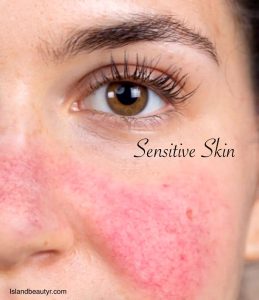
Essential oils are common sensitizers.
Fragrance-free skincare is safer for:
• Reactive skin
• Rosacea-prone skin
• Post-procedure skin
Calm skin needs simplicity.
6. Control Neuroinflammation
Sensitive skin has overactive nerve endings.
Helpful ingredients:
• Panthenol
• Oat beta-glucan
• Madecassoside
Reactive Skin Barrier Care must calm the nerves, not overstimulate them.
7. Choose Niacinamide Carefully
Niacinamide supports barrier repair, but dose matters.
Best range:
• 2–5%
Higher concentrations may cause flushing in sensitive skin.
8. Protect the Skin Microbiome
Healthy bacteria support barrier integrity.
Avoid:
• Over-exfoliation
• Harsh antiseptics
Look for prebiotic or postbiotic formulas.

9. Limit Exfoliation Strictly
Sensitive skin exfoliates more slowly.
Rules:
• No physical scrubs
• Chemical exfoliation once every 10–14 days
• Prefer PHA or low-dose lactic acid
More is never better.
10. Use Mineral Sunscreen Daily
UV exposure increases skin sensitivity over time.
Best filters:
• Zinc oxide
• Titanium dioxide
Sun protection is a non-negotiable part of Reactive Skin Barrier Care.
11. Apply Products in the Correct Order
Wrong layering reduces effectiveness.
Correct order:
1. Cleanser
2. Hydrating serum
3. Barrier repair cream
4. Sunscreen (AM)
Consistency matters more than product count.
12. Avoid Sudden Routine Changes
Sensitive skin dislikes change.
Introduce:
• One new product at a time
• With a 5–7 day gap
This prevents flare-ups and confusion.

13. Support Skin from Inside
Skin reflects internal health.
Helpful habits:
• Omega-3 intake
• Stable blood sugar
• Adequate sleep
Chronic stress weakens the skin barrier.
14. Simplify Your Routine
Minimalist routines reduce irritation risk.
Ideal routine:
• 3–4 products max
• Barrier-focused formulas
Reactive Skin Barrier Care thrives on simplicity.
15. Know When to Seek Medical Advice
Persistent symptoms may indicate:
• Rosacea
• Contact dermatitis
• Eczema
Professional diagnosis prevents long-term damage.

Final Thoughts
Sensitive skin is not weak; it is unprotected.
When you focus on Reactive Skin Barrier Care, you treat the biology of the skin, not just the surface. With patience, science-based choices, and consistency, sensitive skin can become stable, resilient, and comfortable.
Pingback: Skin Barrier Recovery Timeline: 7 Powerful Science-Backed Stages to Repair Damaged Skin in 2026 - IslandBeautyR