

Dry Skin Repair Routine: 11 Scientific Truths That Actually Work
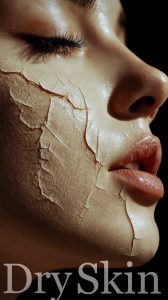
Dry skin is not just uncomfortable.
It is a biological warning sign.
Most people try to treat dryness by layering moisturizers. Science shows that this approach fails because dry skin is caused by damage to the skin barrier, not a lack of products.
A true dry skin repair routine focuses on restoring the barrier, correcting lipid loss, and preventing transepidermal water loss. Without this foundation, dryness always returns.
This article explains the scientific truths behind dry skin and provides a step-by-step dry skin repair routine that actually works in the long term.
No fluff.
No skincare myths.
Only evidence-based solutions.
This is islandbeautyr.com, and I am rasta kafashan, author of this website. I can help you better understand and be aware of your skin based on the most up-to-date scientific research. So stay with us and follow islandbeautyr.com.
Facts and Solutions:
Truth 1: Dry Skin Is a Barrier Problem, Not a Hydration Problem
Healthy skin holds water because the barrier is intact.
Dry skin loses water because the barrier is broken.
When ceramides and fatty acids decrease, water escapes faster than it can be replaced. Any effective dry skin repair routine must repair this barrier first.
Truth 2: Chronic Dry Skin Means Lipid Deficiency
Studies show that chronic dry skin contains lower levels of:
• Ceramides
• Cholesterol
• Free fatty acids
Replacing water without replacing lipids worsens dryness over time.
Truth 3: Most Moisturizers Do Not Repair Dry Skin
Many moisturizers:
• Add water
• Feel comfortable
• Evaporate quickly
They do not repair the structure of the skin.
A proper dry skin repair routine uses barrier-identical lipids, not just hydration.
Truth 4: Over-Cleansing Actively Damages Dry Skin
Foaming cleansers strip essential lipids and raise skin pH.
For dry skin:
• Cleanse once daily
• Use non-foaming formulas
• Maintain acidic pH
Cleansing less is part of the treatment.
Truth 5: Dry Skin Is Often Inflamed
Even without redness, dry skin shows low-grade inflammation.
This inflammation:
• Slows healing
• Increases sensitivity
• Worsens water loss
Barrier repair reduces inflammation naturally.
Truth 6: Genetics Influence Dry Skin Severity
Some people produce fewer natural moisturizing factors (NMFs).
This makes dryness chronic and harder to treat.
These cases require a stronger dry skin repair routine, not stronger exfoliation.
Truth 7: Humectants Alone Are Not Enough
Humectants attract water.
They do not hold it.
Without occlusives and lipids, humectants increase evaporation in dry environments.
Truth 8: Occlusives Are Essential for Repair
Occlusives reduce water loss by up to 50%.
They are not optional in a dry skin repair routine — they are structural support.
Truth 9: Environment Can Undo Your Routine
Low humidity, heating, and hot showers increase skin water loss.
Environmental control supports topical treatment.
Truth 10: Exfoliation Slows Repair
Frequent exfoliation damages the barrier and delays healing.
Dry skin heals faster when exfoliation is minimized.
Truth 11: Consistency Repairs Skin, Not Products
Barrier repair takes weeks, not days.
A correct dry skin repair routine delivers permanent improvement only when followed consistently.

THE DRY SKIN REPAIR ROUTINE (EVIDENCE-BASED)
Morning Routine
1. Gentle Cleanser
Non-foaming, pH-balanced, lipid-safe.
2. Hydrating Layer
Glycerin or sodium PCA to attract water.
3. Barrier Repair Moisturizer
Must contain ceramides, cholesterol, and fatty acids.
4. Sunscreen
UV damage worsens dryness and barrier loss.
Night Routine
1. Minimal Cleansing
Only if necessary.
2. Repair Treatment
Niacinamide, panthenol, or low-strength urea.
3. Occlusive Seal
Locks hydration overnight and accelerates repair.
This structure defines a complete dry skin repair routine.
Ingredients That Break the Barrier
Avoid:
• Denatured alcohol
• Essential oils
• Harsh surfactants
• Overuse of acids
They prevent repair.
Frequently Asked Questions About Dry Skin Repair
What is the main cause of chronic dry skin?
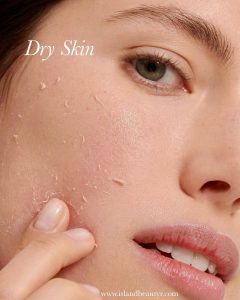
Chronic dry skin is primarily caused by a damaged skin barrier that allows moisture to escape more quickly than it can be replenished.
Can a dry skin repair routine really fix dry skin?
Yes. A consistent dry skin repair routine helps restore the skin barrier and prevent ongoing moisture loss.
Which ingredients are essential in a dry skin repair routine?
Ceramides, glycerin, niacinamide, fatty acids, and occlusives are essential for repairing dry skin.
Is hyaluronic acid enough for dry skin?
No. Hyaluronic acid hydrates the skin but must be paired with barrier-repair ingredients to be effective.
How often should dry skin be cleansed?
Dry skin should be cleansed once daily using a gentle, non-foaming cleanser.
Do occlusives clog pores on dry skin?
No. Occlusives reduce water loss and are safe when used correctly on dry skin.
How long does it take to see results from a dry skin repair routine?
Most people notice improvement within 7 days, while full barrier repair takes 6 to 8 weeks.

Conclusion: The Science-Backed Way to Truly Fix Dry Skin
Dry skin is not a condition that improves with trial-and-error skincare.
It is the result of a weakened skin barrier that requires intentional repair.
When the skin barrier is rebuilt, moisture retention improves naturally, inflammation decreases, and sensitivity fades. This is why a dry skin repair routine must focus on restoring essential lipids, strengthening barrier function, and protecting the skin from further moisture loss.
Quick fixes do not work for dry skin. Consistency does. With a science-backed routine and the right ingredients, dry skin can become stable, comfortable, and resilient again.
Dry skin is not permanent when it is treated correctly.